Page One: Inside the New York Times
2011
No user ratings available yet
Diversity score: 4.8 out of 10
2016
Director
Andrew Rossi
Runtime
91 minutes
Average Rating
No ratings yetSynopsis
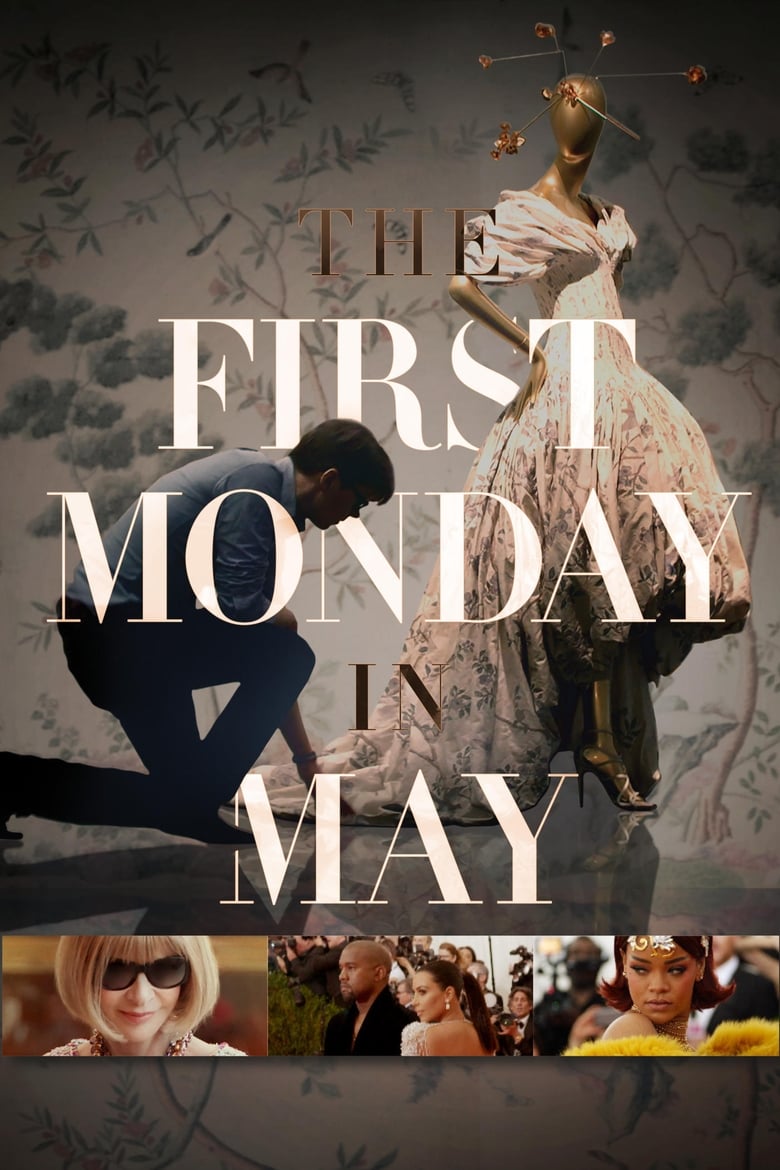
Chronicles the creation of The Metropolitan Museum of Art's most attended fashion exhibition in history, "China: Through The Looking Glass," an exploration of Chinese-inspired Western fashions by Costume Institute curator Andrew Bolton.
Overall Score
Fair
Category Breakdown
LGBTQ+ Representation
High-profile figures from the fashion and celebrity worlds provide visible LGBTQ+ presence. This inclusion feels observational and normalized rather than being the central thematic focus of the documentary.
Gender Representation
The film centers on women in positions of absolute institutional authority and creative leadership. Figures like Anna Wintour demonstrate decisive professional agency, effectively subverting traditional male-dominated hierarchies.
Racial & Ethnic Diversity
The documentary showcases a globalized industry with diverse professionals and designers. It highlights the intersection of Eastern aesthetics and Western fashion through the central exhibition's lens.
Religious & Cultural Diversity
The narrative functions as a study of high-society capitalism and extreme wealth. It reinforces established social hierarchies and the prestige of Western cultural institutions rather than critiquing them.
Disability Representation
There is no meaningful representation of visible or invisible disabilities. The focus remains strictly on the socioeconomic elite and the physical demands of high-fashion production.
Strengths
Areas for Improvement
AI Analysis
The documentary excels at portraying female leadership, placing women at the helm of major institutional decisions. This subversion of gendered power structures is a primary strength of the film. However, the film is deeply embedded in the celebration of Western capitalist structures and elite social hierarchies. This focus limits its ability to engage in broader cultural or post-colonialist critiques. While the fashion world appears globalized, the narrative remains centered on the machinery of wealth and institutional excellence, leaving significant gaps in disability and secular representation.
2011
2007
2012
2012
2017
1989
2013
2007
1995
2010
1981
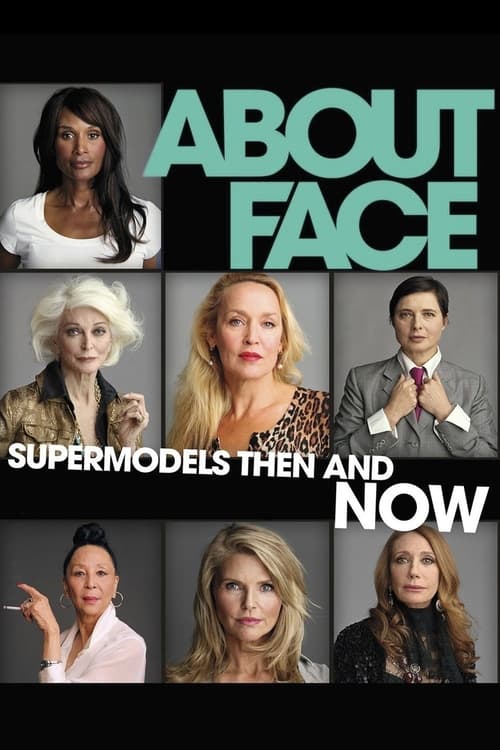
2012
No reviews yet. Be the first to share your thoughts on this movie!
Use the rating form above to leave a star rating and optional review.