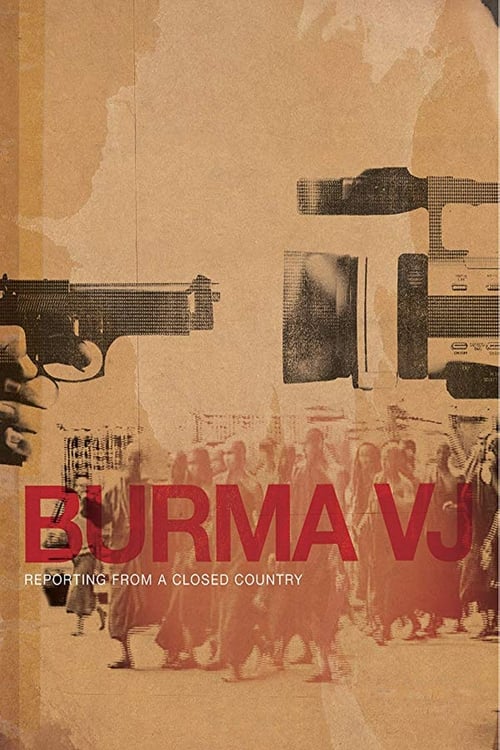
Burma VJ: Reporting from a Closed Country
2008
No user ratings available yet
Representation score: 7.1 out of 10
Representation Score
Good
2011
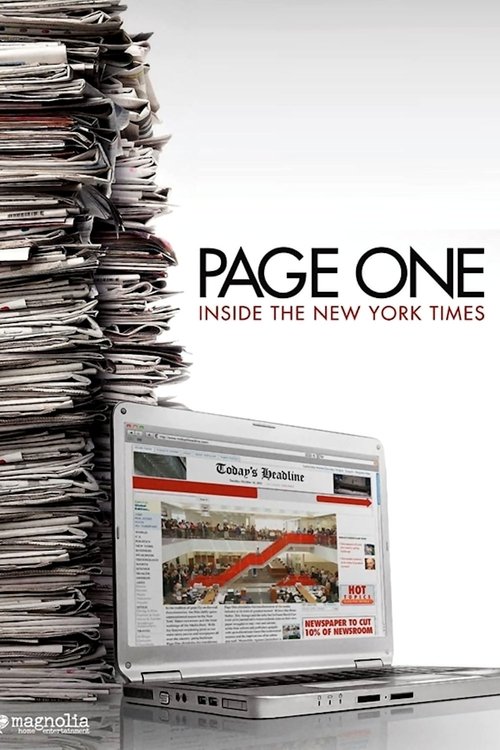
RDirector
Andrew Rossi
Runtime
88 minutes
Average Rating
No ratings yetNew Showbiz Analysis
Page One provides a sophisticated look at how economic changes impact truth dissemination. It successfully documents a diverse workforce and highlights female leadership in a traditionally male-dominated field. However, the film lacks explicit identity-driven narratives and focuses more on institutional transformation than personal identity politics.
Category Breakdown
The film focuses on a professional institution and does not center LGBTQ+ identities or non-cisgender narratives as main themes.
The film disrupts traditional hierarchies by giving significant roles to female editors and journalists. It highlights women in leadership and decision-making positions within the newsroom.
The documentary realistically depicts the racial and ethnic diversity within a major American institution. It showcases journalists of color who play key roles in shaping global news.
The film explores postmodern concerns about truth and fragmented information. It critiques how capitalist structures affect traditional media business models.
The film does not address visible or invisible disabilities. Its focus remains on the professional and economic pressures faced by journalists.
Present on Screen
Limited or Absent
Official Synopsis
Unprecedented access to the New York Times newsroom yields a complex view of the transformation of a media landscape fraught with both peril and opportunity.
2008
2013

2025

2016
2004

2013
2019

2013
No reviews yet. Be the first to share your thoughts on this movie!
Use the rating form above to leave a star rating and optional review.