Mademoiselle C
2013
No user ratings available yet
Representation score: 4.4 out of 10
Representation Score
Good
2012
PG-13Director
Lisa Immordino Vreeland
Runtime
86 minutes
Average Rating
No ratings yetNew Showbiz Analysis
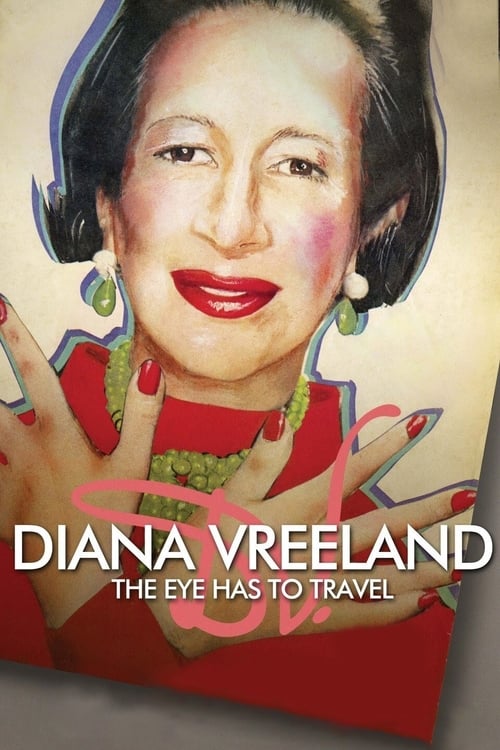
The documentary excels at depicting women's ability to drive the story and intellectual dominance in a male-dominated industry. It positions Diana Vreeland as a central architect of cultural taste who successfully navigated and commanded male-dominated spaces. This strong focus on gendered power dynamics provides a compelling look at female intellectual dominance. However, the film's scope is limited by its focus on high-fashion glamour and aesthetic novelty. This means that many underrepresented identities, particularly those related to disability and LGBTQ+ themes, remain largely unaddressed. Ultimately, the film is a specialized study of a cultural icon, while subverting gendered leadership norms, it remains tied to the historical hierarchies and capitalist structures of the mid-century fashion industry.
Category Breakdown
The film highlights Diana Vreeland's professional achievements but doesn't center LGBTQ+ identities. Although the fashion industry often questions traditional gender norms, the documentary does not explore same-sex relationships or intimacy.
The documentary focuses on a woman who led male-dominated editorial hierarchies. It portrays Vreeland as a powerful authority figure, challenging traditional views of gendered leadership and power.
Vreeland promoted models with distinctive, non-traditional features, showing a broader range of archetypes than typical mid-century narratives. However, this often reflects the era's specific lens of aesthetic exoticism.
The narrative revolves around high-society glamour and capitalist luxury. It celebrates the prestige of the global fashion elite but does not critique Western institutions or socioeconomic structures.
The film concentrates mainly on beauty and celebrity archetypes. There is no significant focus on neurodivergence, physical disabilities, or chronic illness within the biographical scope.
Present on Screen
Limited or Absent
Official Synopsis
This intimate and loving portrait of the legendary arbiter of fashion, art and culture illustrates the many stages of Vreeland's remarkable life. Born in Paris in 1903, she was to become New York's "Empress of Fashion" and a celebrated Vogue editor.
2013
2014
2016
2015
2007

2018
2015
2008
No reviews yet. Be the first to share your thoughts on this movie!
Use the rating form above to leave a star rating and optional review.