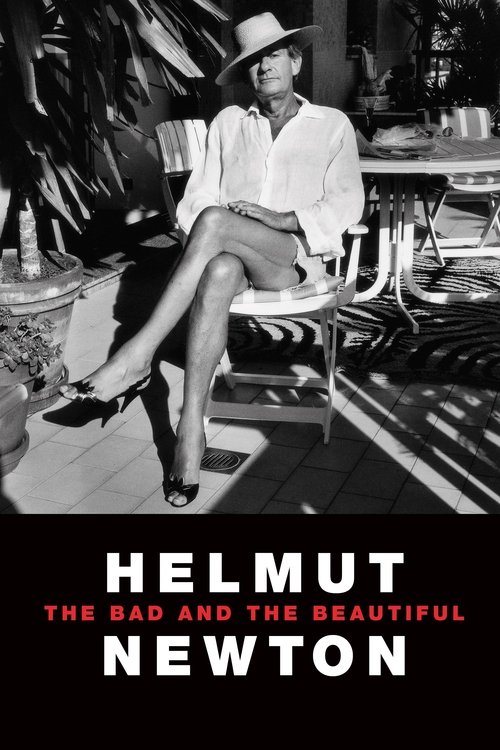
Helmut Newton: The Bad and the Beautiful
2020
No user ratings available yet
Diversity score: 6.6 out of 10
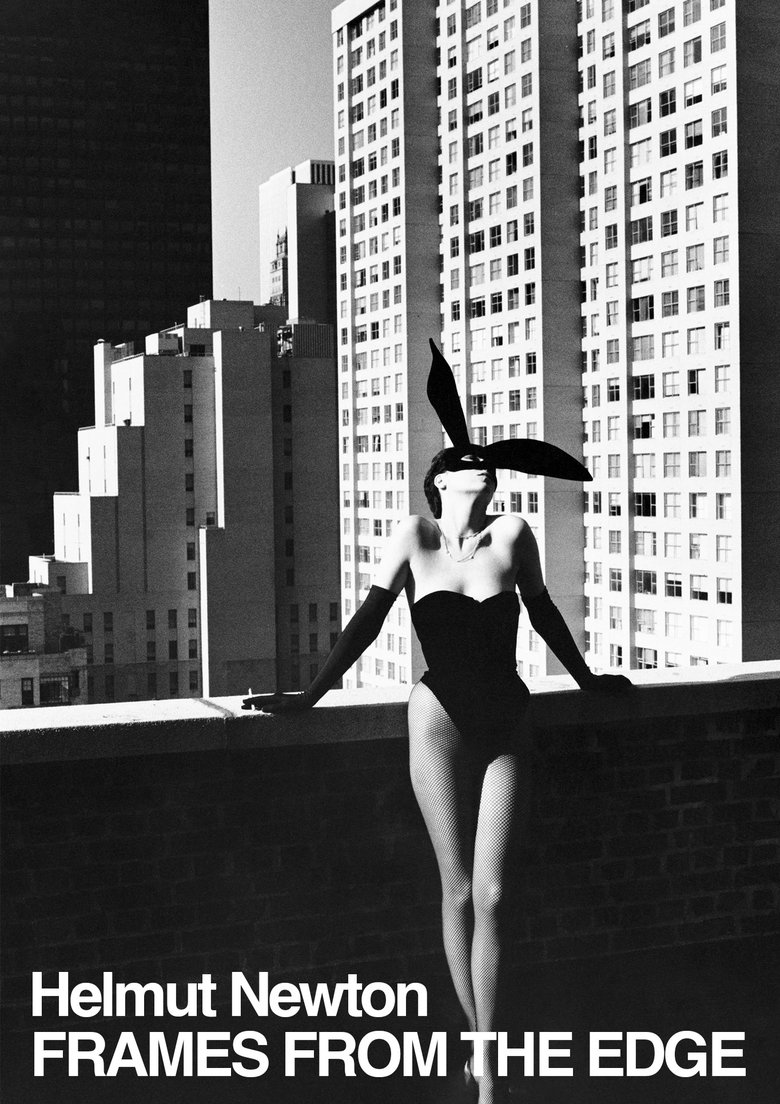
1989
Director
Adrian Maben
Runtime
99 minutes
Average Rating
No ratings yetSynopsis
A camera crew follows Helmut Newton, the fashion and ad photographer whose images of tall, blond, big-breasted women are part of the iconography of twentieth-century erotic fantasy. He's on the go from L.A., to Paris, to Monte-Carlo, to Berlin, where he was a youth until he escaped from the Nazis in 1936. We see him on shoots, interviewing models, and discussing his work.
Overall Score
Fair
Category Breakdown
LGBTQ+ Representation
The film explores non-heteronormative desire through fetishism and provocative imagery. While it lacks explicit LGBTQ+ identities, it examines sexualities existing outside traditional domesticity.
Gender Representation
Newton’s subjects subvert feminine passivity by appearing powerful and commanding. The work examines how women occupy spaces of authority within a highly sexualized framework.
Racial & Ethnic Diversity
The visual landscape is predominantly centered on Eurocentric beauty standards. Representation reflects the socioeconomic and industry-driven constraints of the 1980s high-fashion world.
Religious & Cultural Diversity
The documentary prioritizes secular, aestheticized truth over religious judgment. It treats eroticism as artistic expression rather than a subject for traditional moral critique.
Disability Representation
The film focuses almost exclusively on the idealized, able-bodied human form. There is no discernible focus on neurodivergence or physical disability.
Strengths
Areas for Improvement
AI Analysis
This documentary offers a complex look at power dynamics by subverting traditional gender hierarchies. Newton’s subjects are presented with agency and dominance, moving beyond simple objectification to showcase women as intimidating, powerful figures. However, the film is limited by the era's aesthetic hegemony. It leans heavily into Eurocentric beauty standards and lacks significant racial or disability-based intersectionality, focusing instead on physical perfectionism. Ultimately, the work succeeds as a study of situational ethics and non-normative aesthetics. It challenges social decorum by treating provocation as a professional artistic pursuit rather than a moral failing.
2020
2013
2019
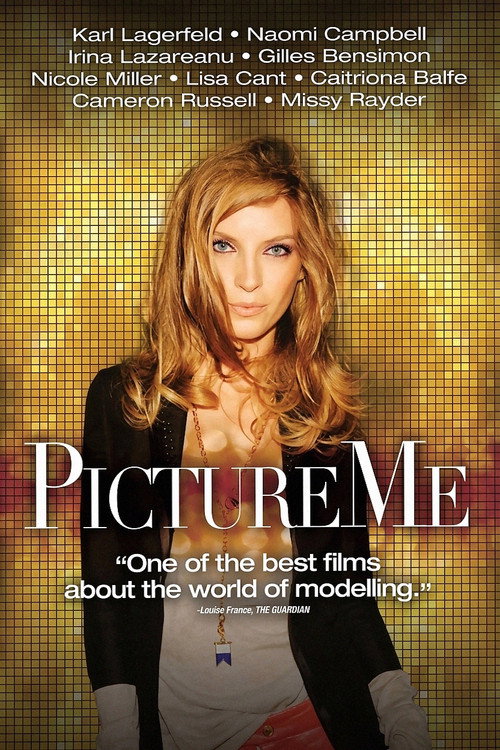
2010
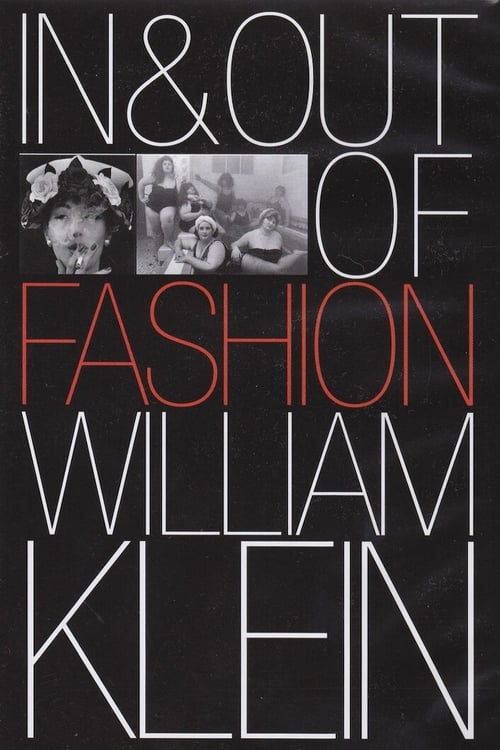
1998
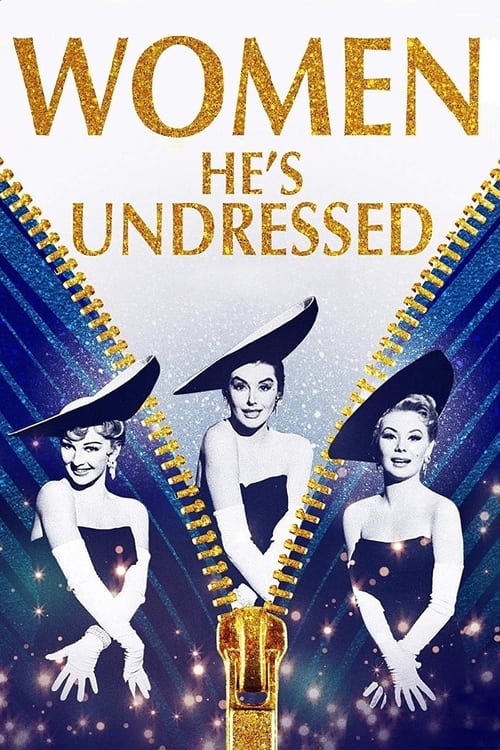
2015

1984
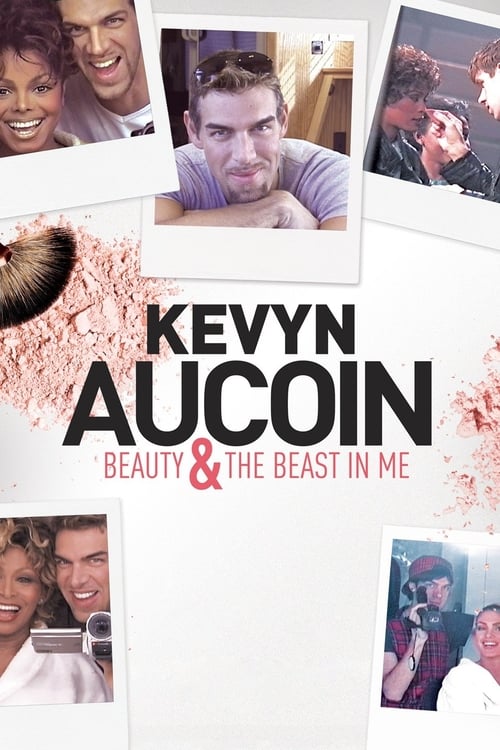
2017
2015

2020

1998

2015
No reviews yet. Be the first to share your thoughts on this movie!
Use the rating form above to leave a star rating and optional review.