The Last Script: Remembering Luis Buñuel
2008
No user ratings available yet
Representation score: 6.4 out of 10
Representation Score
Fair
2007
Director
Alberto Morais
Runtime
106 minutes
Average Rating
No ratings yetNew Showbiz Analysis
This documentary serves as a reflective study of European auteur cinema, connecting figures such as Angelopoulos, Erice, and Pasolini through shared Mediterranean geography. It prioritizes intellectual inquiry and the idea of 'film resistance' over typical plots or broad demographics. The film achieves progressive value through its dedication to challenging cinematic history and institutional structures. However, the subject matter remains firmly rooted in a traditional, male-dominated European intellectual canon. While the work provides substantial cultural depth regarding systemic critique, it lacks the demographic variety found in contemporary ensemble works, focusing instead on a specific historical and geographic scope.
Category Breakdown
The film focuses on the legacy of Pier Paolo Pasolini, a key figure in queer intellectual history. Although it doesn't include modern LGBTQ+ characters, it respects the non-straight traditions in cinema.
The story centers around a historical line of male directors and thinkers. It emphasizes a traditional patriarchal tradition in European cinema without showing many female viewpoints.
The film explores a pan-European identity across countries like Greece, Spain, and Italy. It highlights the transnational exchange of ideas rather than diverse ethnic or non-Western representation.
The documentary delves deeply into themes of systemic critique and intellectual dissent. It uses Pasolini’s legacy to question established institutions and traditional historical narratives.
The film does not focus on visible or invisible disabilities. Its narrative structure prioritizes philosophical discussions over disability representation.
Present on Screen
Limited or Absent
Official Synopsis
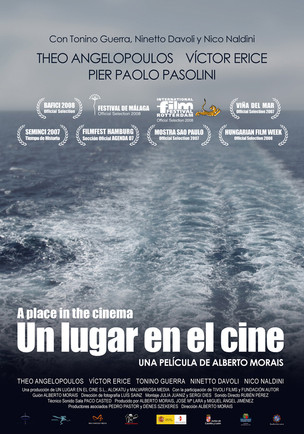
Greek Theo Angelopoulos traveling from Athens to Ostia, the Roman beach where Pasolini was killed. Far from there, in a Spanish train station, Víctor Erice wanders in an interview about the film resistance. And in Italy, Tonino Guerra, Ninetto Davoli and Nico Naldini lend his voice to the missing Passolini to close a historic triangle on film and solitude.
2008
1983
2022
2017
2023
2017
2015
1992
No reviews yet. Be the first to share your thoughts on this movie!
Use the rating form above to leave a star rating and optional review.