The Return of the Prodigal Son
1967
No user ratings available yet
Representation score: 5.7 out of 10
Representation Score
Good
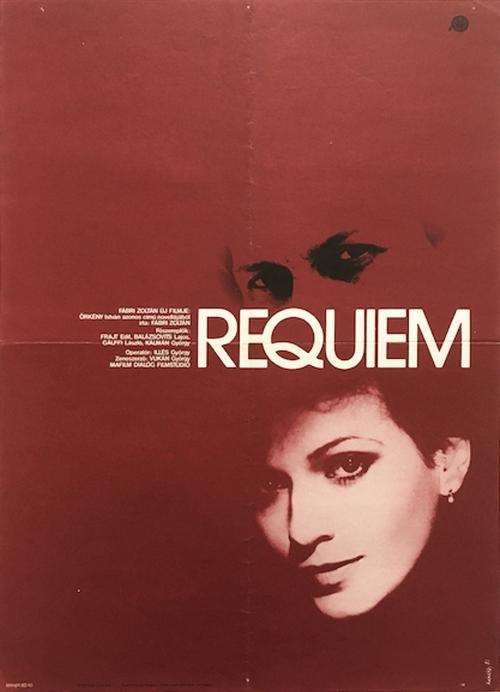
1982
Director
Zoltán Fábri
Runtime
103 minutes
Average Rating
No ratings yetNew Showbiz Analysis
Requiem is a psychological study that dismantles the perceived sanctity of the nuclear family. It centers on the female protagonist's ability to drive the story and intellect, allowing her to drive the narrative through her pursuit of emotional liberation. The film's strength lies in its critique of systemic political pressures and the stifling nature of professional and marital stability. By focusing on the individual's struggle against repression, it offers a sophisticated look at human desire. However, the film remains limited by its homogeneous casting and its adherence to a straight-centered framework. While it challenges social mores, it does not expand into broader multi-layered or non-straight-centered identities.
Category Breakdown
The film focuses on breaking down sexual repression rather than explicitly representing LGBTQ+ identities. It emphasizes bodily autonomy and overcoming inhibitions within a straight-centered context.
The female protagonist has significant influence and drives the narrative through her actions and decisions. She challenges the emotional detachment of the male characters, highlighting her psychological and sexual independence.
The casting is consistent with the Hungarian historical context and does not include a diverse range of ethnicities. The film remains focused on its regional identity.
The film critiques established social structures and the medical establishment. It prioritizes individual autonomy and personal truth over traditional marital vows and institutional morality.
There is no significant evidence regarding the portrayal of visible or invisible disabilities in this work.
Present on Screen
Limited or Absent
Official Synopsis
A woman learns that one of her doctor husband's patients used to be the cellmate of her first husband, who died in prison years before.
1967
1985
1982

1989

1974
1980
1969

2001
No reviews yet. Be the first to share your thoughts on this movie!
Use the rating form above to leave a star rating and optional review.