Milada
2017
No user ratings available yet
Representation score: 5.5 out of 10
Representation Score
Good
1982
Director
Károly Makk
Runtime
102 minutes
Average Rating
No ratings yetNew Showbiz Analysis
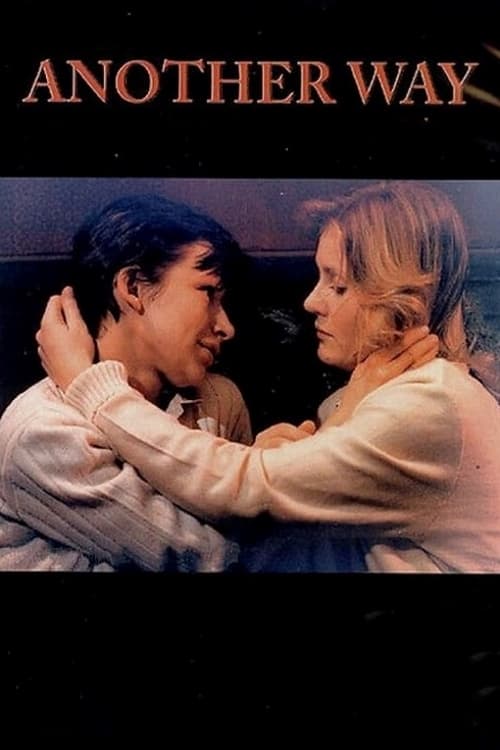
Károly Makk’s drama is a nuanced exploration of identity, blending political censorship and sexual repression. By placing a queer romance at the heart of a historical drama, the film elevates personal liberation as a powerful act of defiance against a monolithic state. The film stands out in its layered approach, intertwining the struggles for sexual and political freedom. This creates a multifaceted narrative where personal autonomy is continually challenged by institutional control. Despite its specific Hungarian setting, the film transcends cultural boundaries by addressing universal themes of rebellion and the human spirit. It effectively dismantles the mechanisms used to suppress individual expression.
Category Breakdown
The film focuses on the emotional and physical attraction between Eva and Livia, highlighting a queer relationship that challenges traditional heterosexual norms within a historical drama. It delves into the psychological impact of non-traditional desires in a society that values conformity.
Women play key roles in both professional and political contexts. Eva, a determined journalist, challenges the stereotype of women as passive observers. The story emphasizes the intellectual independence and leadership of its female characters.
The cast mirrors the specific demographics of post-1956 Hungary. There is minimal racial diversity, which aligns with the historical context of the film. The lack of diversity is a reflection of the time period portrayed.
The storyline critiques oppressive political structures and state-enforced morality. Personal expression is framed as a form of resistance against a controlling regime. The narrative underscores the impact of systemic control on individual freedom.
There is no significant depiction of physical or neurodivergent disabilities in this work.
Present on Screen
Limited or Absent
Official Synopsis
Political and sexual repression in Hungary, just after the revolution of 1956. Passionate and determined, Eva gets a job as a journalist. There, she meets Livia and is attracted to her. Livia feels much the same, but as a married woman, has doubts and hesitations. In their work, they (and Eva in particular) bang up against the limits of telling political truths; in private, they confront the limits of living out sexual and emotional truth.
2017
1989
2017
1985

2004

1985
1985

2014
No reviews yet. Be the first to share your thoughts on this movie!
Use the rating form above to leave a star rating and optional review.