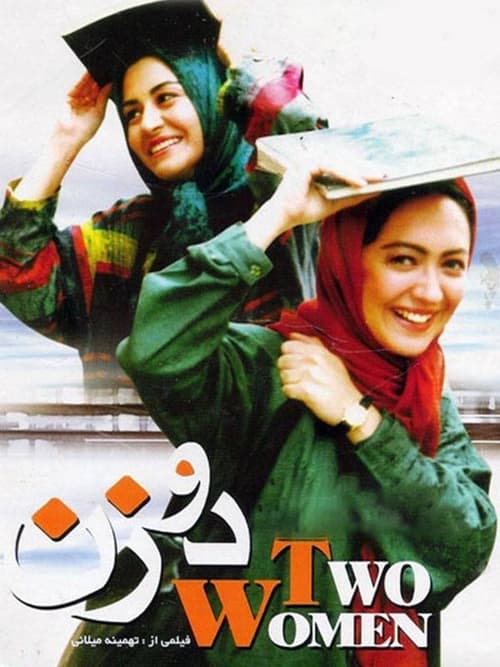
Two Women
1999
No user ratings available yet
Representation score: 6.5 out of 10
Representation Score
Excellent
2001
Director
Tahmine Milani
Runtime
103 minutes
Average Rating
No ratings yetNew Showbiz Analysis
Tahmine Milani’s drama is a compelling examination of female empowerment and the tension between personal identity and societal expectations. By focusing on a woman's radical past and intellectual journey, the film disrupts conventional social structures and challenges traditional gender roles. While the film excels in its gender representation and cultural critique, it remains culturally homogeneous. It lacks diverse racial and ethnic representation and does not include specific LGBTQ+ identities or disabilities. Ultimately, the film stands out as a narrative that prioritizes the female experience as the primary driver of the plot.
Category Breakdown
The film explores the Iranian revolution and daily life but does not focus on LGBTQ+ identities or non-cisgender gender expressions.
The narrative challenges traditional gender roles by giving female characters significant influence and intellectual depth. The protagonist's involvement in politics and literature defies the stereotype of the submissive woman.
The film features a culturally homogeneous cast, providing an authentic look into a specific Iranian identity without blending in Western cultural elements.
The story delves into themes of secularism and political skepticism, critiquing rigid social hierarchies through the lens of a protagonist navigating revolutionary complexities and ideological dissent.
The film focuses on psychological and political issues rather than physical or neurological disabilities. There is no significant portrayal of disabilities as central character traits.
Present on Screen
Limited or Absent
Official Synopsis
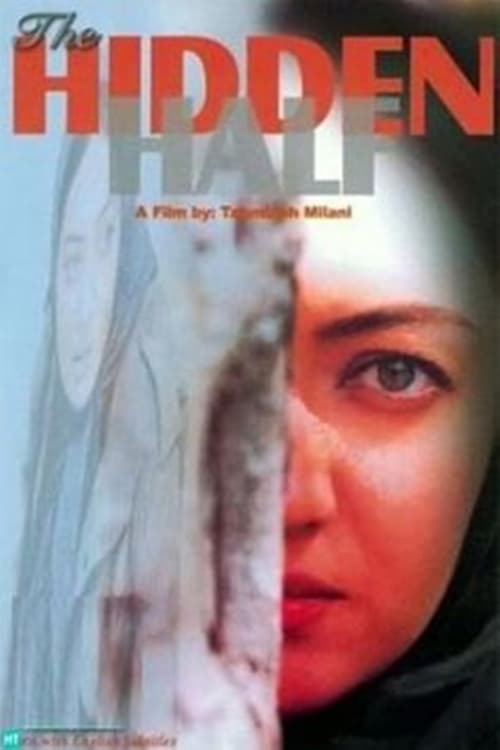
An official is sent from his home in Tehran to hear the final appeal of a woman sentenced to death, a political prisoner. The official's wife of nearly 20 years, Fereshteh Samimi, writes him a letter to read when he reaches the hotel - the story of her student days during the revolution of 1978. We see the story in flashbacks as he reads: she leaves her province on scholarship, joins a Communist youth group, avoids arrest, and comes under the sway of a suave older man, Roozbeh Javid, a literary-magazine editor. As she tells her husband about the hidden half of her life, Fereshteh asks that he listen to the woman facing execution, a woman and therefore one of Iran's hidden half.
1999
2000
2009
2004
2021
2009
2024
1985
No reviews yet. Be the first to share your thoughts on this movie!
Use the rating form above to leave a star rating and optional review.