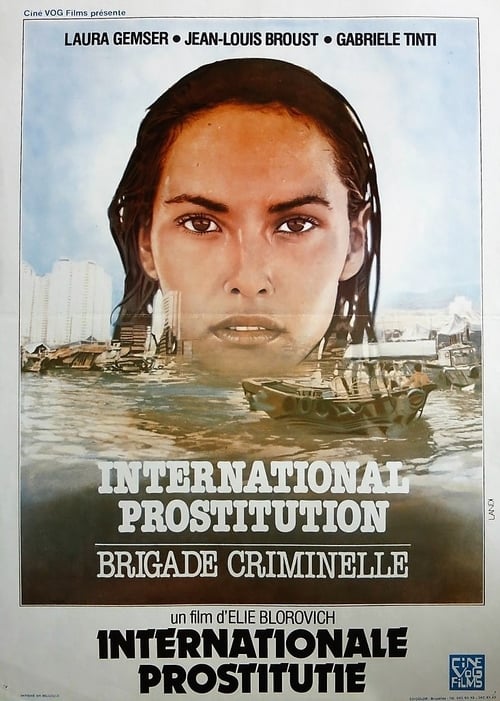
International Prostitution : Brigade criminelle
1980
No user ratings available yet
Representation score: 3.6 out of 10
Representation Score
Fair
1979
Director
Bruno Barreto
Runtime
95 minutes
Average Rating
No ratings yetNew Showbiz Analysis
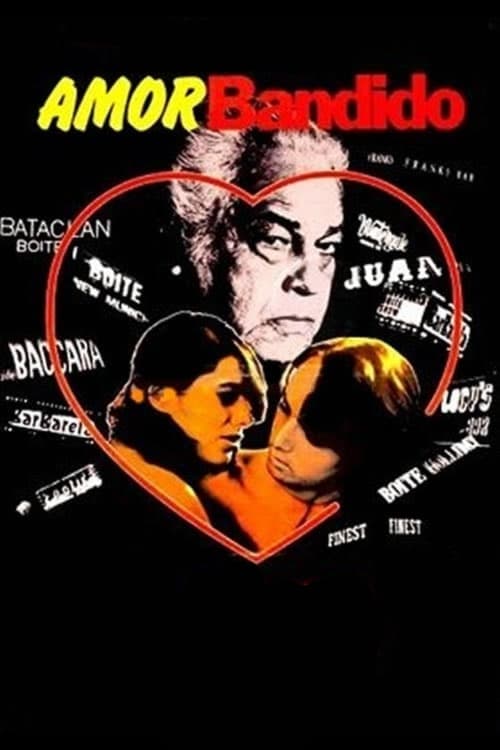
Amor Bandido is a gritty urban drama that delves into the intersections of crime and social exclusion. By focusing on characters living on the fringes of society, the film moves away from idealized or uniform representations of Brazilian life. The narrative's strength lies in its deconstruction of traditional institutions, particularly the nuclear family and standard moral frameworks. It offers a situational exploration of survival in the underbelly of late 1970s Rio. While the film does not provide specific data on LGBTQ+ or disability representation, its emphasis on underrepresented lifestyles suggests a meaningful engagement with complex social realities.
Category Breakdown
The film does not explicitly confirm LGBTQ+ characters or non-straight relationships. While urban settings often include diverse sexual expressions, there are no specific queer stories.
Sandra's role as an exotic dancer and sex worker complicates traditional views of female autonomy. Her character challenges typical domestic hierarchies and patriarchal structures.
Set in Rio de Janeiro, the film likely addresses the socio-economic disparities among its multi-ethnic population. The urban environment highlights these differences.
The film questions the sanctity of the traditional family unit and presents a morally relative perspective. It focuses on those who are underrepresented rather than adhering to standard Western moralities.
There is no indication of characters with visible or invisible disabilities in the narrative.
Present on Screen
Limited or Absent
Official Synopsis
Police investigator Galvão is pursuing two trails, one professional and one personal. While he looks for a serial killer, he also searches for his estranged daughter, Sandra, whom he kicked out of the house. Lives intersect when the serial killer, Toninho, befriends Sandra, now an exotic dancer and prostitute living and working in the seamy underside of late 1970s Rio.
1980
1979
1976
1970
1970
1985
2007

1979
No reviews yet. Be the first to share your thoughts on this movie!
Use the rating form above to leave a star rating and optional review.