Paradise Lost: The Child Murders at Robin Hood Hills
1996
No user ratings available yet
Representation score: 2.9 out of 10
Representation Score
Good
2017
TV-MADirector
Erin Lee Carr
Runtime
82 minutes
Average Rating
No ratings yetNew Showbiz Analysis
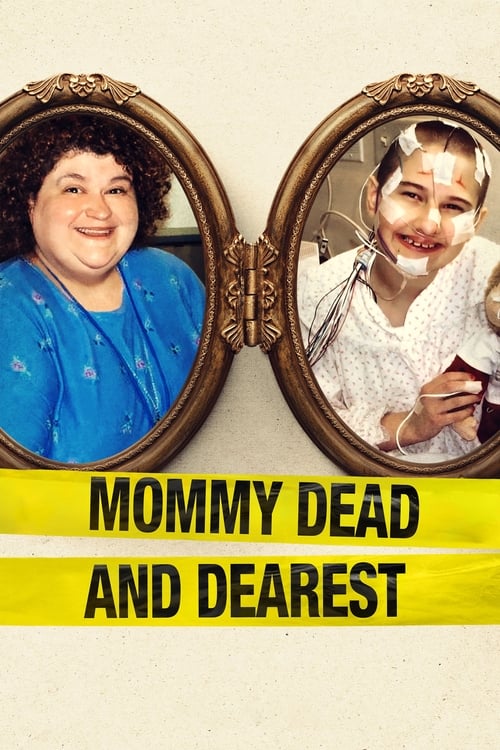
Erin Lee Carr’s documentary succeeds by challenging social norms, particularly the sanctity of the maternal bond. By presenting the mother as a controller rather than a nurturer, the film disrupts conventional expectations of domestic femininity. The narrative excels in its exploration of psychological survival and situational ethics. It prioritizes the subjective truth of the victim over institutional stability, offering a sophisticated look at how systemic abuse shapes personal experiences. However, the film is limited by its narrow demographic focus. The lack of racial and LGBTQ+ diversity keeps the overall scope modest, as the story remains strictly within a specific, homogeneous historical context.
Category Breakdown
The documentary does not include any LGBTQ+ characters or stories. It focuses solely on the psychological interactions between the main figures without delving into non-cisgender identities.
The film challenges the traditional nurturing mother stereotype by depicting the maternal figure as a predatory force. It centers on female-driven dynamics and gives female characters significant roles in the story.
The subjects in the film come from a homogeneous white, middle-class background. The narrative is tied to the specific historical context of the Blanchard family in Louisiana.
The film questions traditional Western institutions and the sanctity of the nuclear family. It explores moral relativism and the tension between individuals and legal authorities.
The documentary examines mental health conditions such as Munchausen syndrome by proxy with depth. It avoids mockery and focuses on the harsh reality of medical fraud.
Present on Screen
Limited or Absent
Official Synopsis
Child abuse, mental illness, and forbidden love converge in this mystery involving a mother and daughter who were thought to be living a fairy tale life that turned out to be a living nightmare.
1996

2006
2017

2020

2008
2003
2017
2011
No reviews yet. Be the first to share your thoughts on this movie!
Use the rating form above to leave a star rating and optional review.