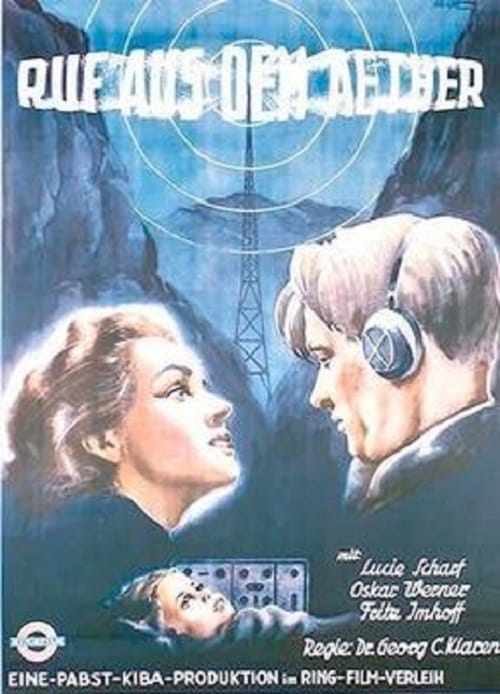
Call Over the Air
1951
No user ratings available yet
Representation score: 0.8 out of 10
Representation Score
Minimal
1944
ApprovedDirector
Paul Burnford
Runtime
21 minutes
Average Rating
No ratings yetNew Showbiz Analysis
Patrolling the Ether is a period-specific crime drama set in the 1940s. The narrative prioritizes state-sanctioned intelligence and wartime mobilization, following the conventional clichés of the era. The film lacks meaningful representation of underrepresented identities and focuses on male-dominated spheres of technology and government authority. Ultimately, the work adheres to the historical constraints and social values of its time without attempting to subvert or expand the cinematic landscape.
Category Breakdown
The film does not include any LGBTQ+ characters or non-straight identities. The narrative focuses solely on wartime intelligence and radio hobbyism.
The story centers around a male teenager and a male authority figure. Female characters play minor roles and do not play a significant role in driving the story within the main storyline.
The narrative focuses on federal agencies and radio operators without highlighting a diverse cast. It likely reflects the homogeneous casting typical of 1940s crime dramas.
The film emphasizes traditional institutions like the FCC and highlights patriotic duty and national security. It does not critique Western systems but instead reinforces them.
There is no indication of characters with visible or invisible disabilities. The film does not represent neurodivergent individuals either.
Present on Screen
Limited or Absent
Official Synopsis
1940. Sixteen year old Phillip is one of a number of amateur radio operators across the US, doing it purely as a fun hobby. He is informed by Bill Beck of the Radio and Intelligence Division (RID) of the Federal Communications Commission (FCC) that amateur international radio communication is now banned due to spying a result of the war in Europe. Beck, on behalf of the RID, asks Phillip, however, to continue to monitor the airwaves for suspicious activity.
1951

1942
1939

1946
1939
1942
1949
1941
No reviews yet. Be the first to share your thoughts on this movie!
Use the rating form above to leave a star rating and optional review.