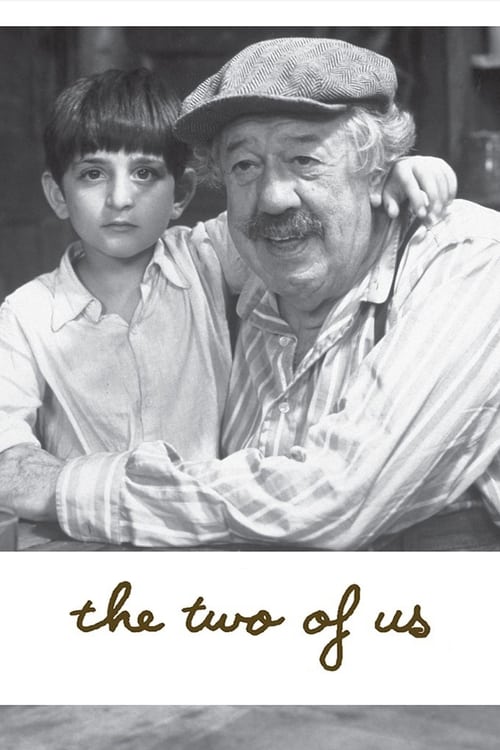
The Two of Us
1967
No user ratings available yet
Representation score: 5.5 out of 10
Representation Score
Limited
1995
Director
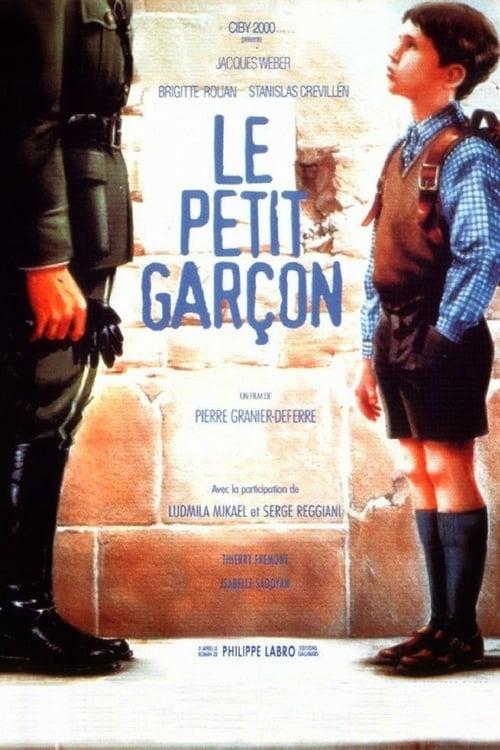
Pierre Granier-Deferre
Runtime
107 minutes
Average Rating
No ratings yetNew Showbiz Analysis
Pierre Granier-Deferre’s drama uses the high-stakes tension of World War II to explore domestic life and systemic violence. The film gains significant merit by centering a Polish Jewish family, providing a lens into the lived experience of historical persecution and displacement. However, the narrative remains anchored in conventional period-drama clichés. The focus on a child's perspective and traditional interpersonal conflicts, such as infidelity, keeps the story within a standard social framework rather than a progressive one. Ultimately, while the film acknowledges ethnic struggle, it does not actively deconstruct identity or power dynamics, resulting in a traditional cinematic approach.
Category Breakdown
The film focuses on traditional family structures and a childhood crush, with no representation of LGBTQ+ identities or narratives that challenge traditional social norms.
The story follows a traditional domestic hierarchy where male figures largely dictate the household's circumstances. The father and the Nazi commander have significant roles in driving the plot.
The inclusion of a Polish Jewish refugee family provides a meaningful look at ethnic survival. Their presence highlights the systemic vulnerability and historical oppression of the era.
The narrative explores historical trauma and wartime morality through a traditional dramatic lens. It focuses on family survival rather than an explicit critique of Western institutions.
There is no mention of characters with visible or invisible disabilities within the narrative.
Present on Screen
Limited or Absent
Official Synopsis
Eight-year old Francois has moved from Paris to a quiet chateau with his parents who want to escape the stress of the war. In a nearby town, his father's mistress works as a tutor. Soon his father allows a refugee family of Polish Jews to move into the basement. Francois has a terrible crush upon their daugther. Real trouble begins when a Nazi commander and his unit also move into the house, totally unaware of the refugees living below them.
1967

2002

2016
1998

2003
2002
1998
1974
No reviews yet. Be the first to share your thoughts on this movie!
Use the rating form above to leave a star rating and optional review.