The Little Boy
1995
No user ratings available yet
Representation score: 3.7 out of 10
Representation Score
Limited
2003
PG-13Director
Jean-Paul Rappeneau
Runtime
114 minutes
Average Rating
No ratings yetNew Showbiz Analysis
Bon Voyage operates as a traditional historical drama that prioritizes period accuracy and national identity over modern progressive frameworks. The narrative focuses on the survival of four Parisians during the onset of World War II, leaning heavily into established historical clichés of the 1940s. The film’s structure reflects the social constraints of its era, emphasizing patriotism and the defense of the domestic sphere. This results in a localized perspective that lacks intentional multi-layered casting or diverse identity narratives. Ultimately, the work aims to capture the tension of the German invasion through a lens of historical realism rather than challenging contemporary social hierarchies.
Category Breakdown
The film does not explicitly include LGBTQ+ identities or narratives. Any such identities seem to be hinted at but are not central to the main plot.
The story revolves around four main characters: a writer, a movie star, a politician, and a scientist. These roles reflect traditional historical figures and social hierarchies.
Set in pre-invasion Paris, the narrative centers on French citizens navigating German occupation. This setting suggests a predominantly French cast, typical of mid-century European war dramas.
The drama emphasizes themes of French patriotism and the defense of national identity. It frames tension through geopolitical conflict without exploring diverse cultural or anti-Western perspectives.
There is no mention of characters dealing with physical, neurodivergent, or mental health conditions. No assessment can be made regarding the portrayal of disability in this work.
Present on Screen
Limited or Absent
Official Synopsis
On the eve of World War II four Parisians cope with the impending invasion of their city by German forces. While the French government braces for impact, the intersected lives of a young writer, a vain movie star, a French politician and a young scientist are examined as they attempt to deal with war and evade German spies.
1995

2002
1998
1941
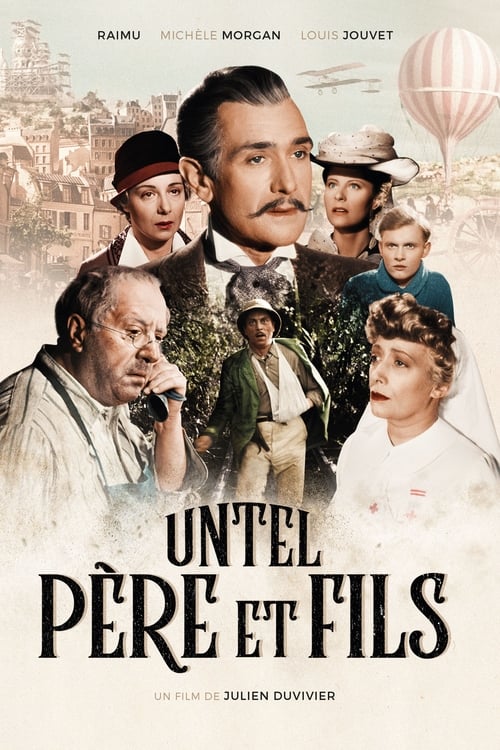
1943
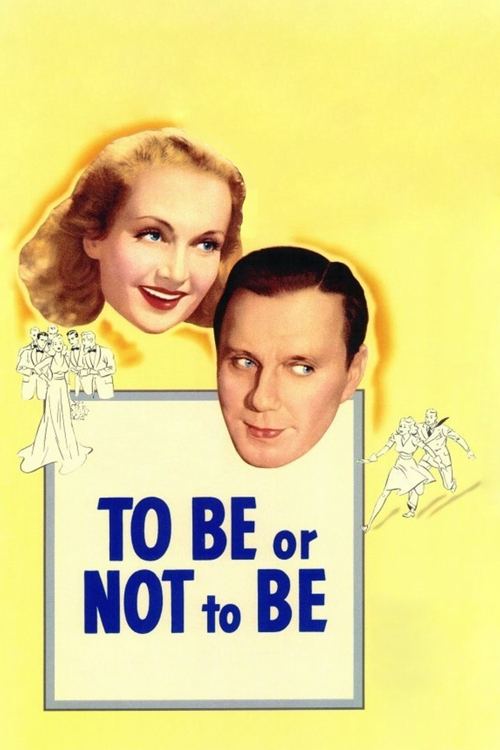
1942
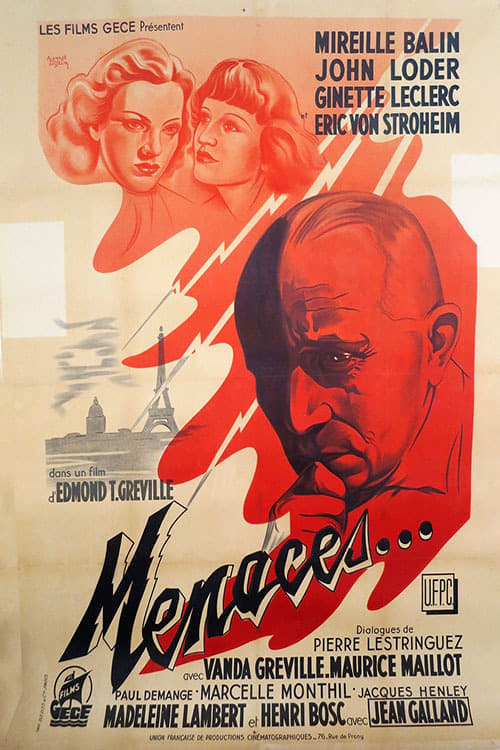
1940
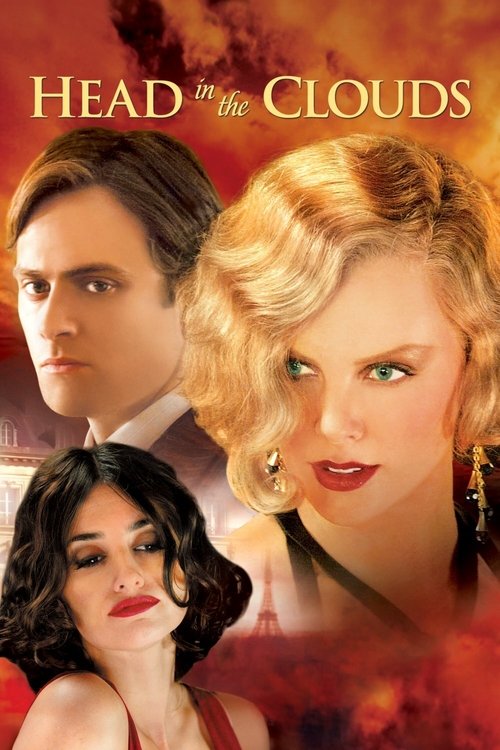
2004
No reviews yet. Be the first to share your thoughts on this movie!
Use the rating form above to leave a star rating and optional review.