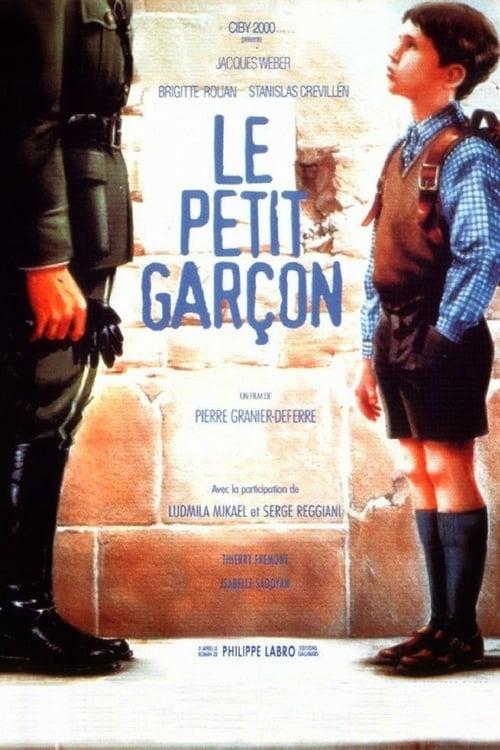
The Little Boy
1995
No user ratings available yet
Representation score: 3.7 out of 10

Representation Score
Excellent
2016
Director
Malik Chibane
Runtime
95 minutes
Average Rating
No ratings yetNew Showbiz Analysis
The film excels by centering the Jewish experience during the Nazi occupation of France. By making a minority character the primary driver of the plot, it provides a meaningful look at systemic oppression and survival. While the narrative offers a nuanced view of how physical illness intersects with survival, it lacks specific evidence regarding LGBTQ+ or gender-diverse representation. The focus remains largely on the historical and ethnic realities of the era. Overall, the film uses a medical setting to explore the power of the oppressed, though it stays within traditional historical frameworks regarding gender and sexuality.
Category Breakdown
The film does not include explicit references to LGBTQ+ characters or non-straight relationships. The narrative focuses on children surviving within a wartime medical setting.
The story centers on a young male protagonist named Maurice Gutman. While the presence of female staff and other boarders suggests a diverse cast, the main focus remains on the male lead's actions and decisions.
The film centers on Maurice Gutman, a character of Jewish heritage. This positions an ethnic minority at the heart of a narrative about systemic erasure and survival during wartime.
The plot explores the persecution of Jewish citizens during the Nazi occupation. It highlights themes of solidarity and the challenge to authority to preserve life.
Physical vulnerabilities such as a broken leg and tuberculosis drive the protagonist's journey. These conditions serve as central mechanisms for his survival and integration into the community.
Present on Screen
Limited or Absent
Official Synopsis
In the backdrop of the Nazi occupation of France, taken to the hospital for a broken leg from an accident, twelve-year-old Maurice Gutman is narrowly spared from the mass roundup that will take his family from him and leave them imprisoned in a distant death camp. At the hospital, Dr. Daviel diagnoses him with tuberculosis and imposes a long treatment, perhaps a humane ruse to prevent him from being deported. Over the course of two years, while living with the hospital staff, Maurice and eight other young boarders unforgettably experience friendship, solidarity and extraordinary courage. These are the children of luck.
1995

2014
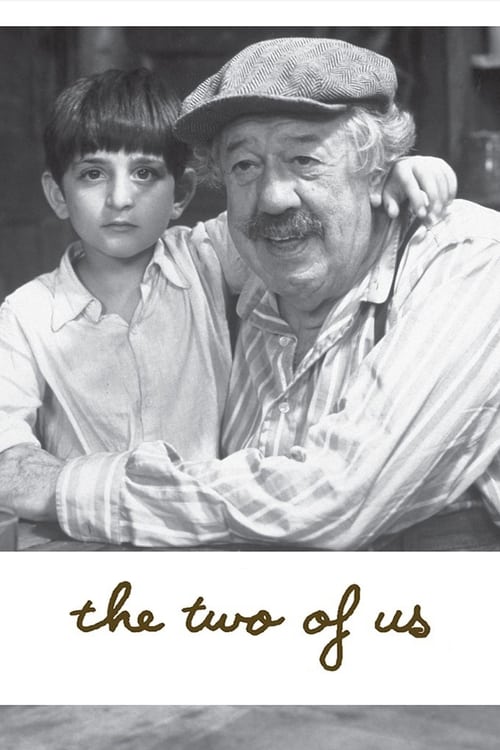
1967
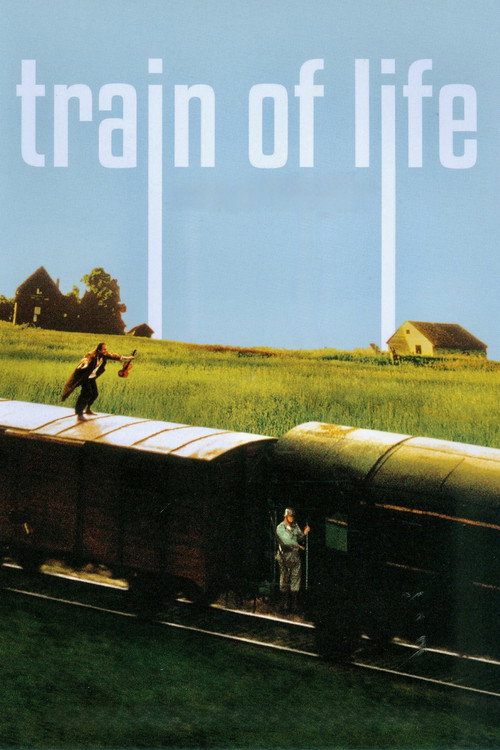
1998

2014

1959

2023

2024
No reviews yet. Be the first to share your thoughts on this movie!
Use the rating form above to leave a star rating and optional review.