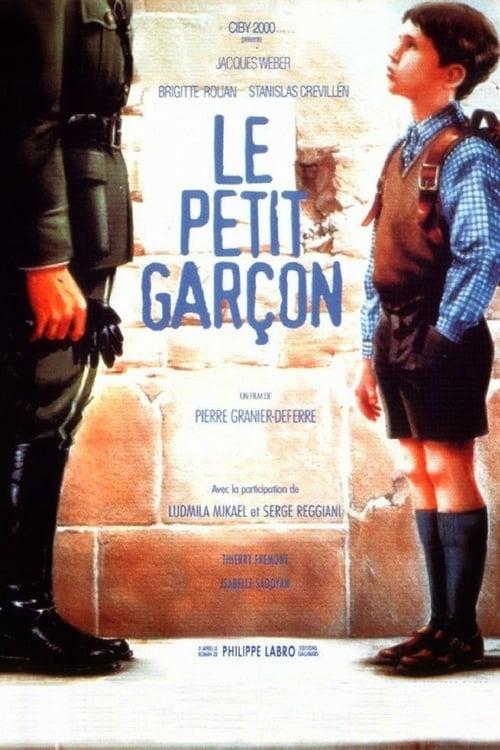
The Little Boy
1995
No user ratings available yet
Representation score: 3.7 out of 10
Representation Score
Limited
2002
Director
Jean-Louis Bertuccelli
Runtime
91 minutes
Average Rating
No ratings yetNew Showbiz Analysis
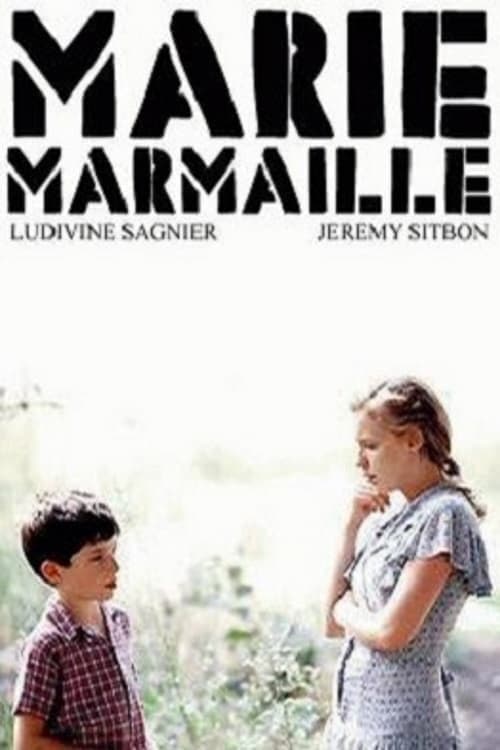
Marie's Children is a grounded historical drama that prioritizes atmospheric realism and the socioeconomic struggles of provincial life. It succeeds in elevating the female experience, positioning the protagonist as a resilient leader rather than a passive observer of history. However, the film's commitment to historical accuracy limits its modern multi-layered breadth. The lack of racial and LGBTQ+ diversity is a byproduct of its specific period setting and focus on a traditional peasant family. Ultimately, the film offers a nuanced look at how institutional and economic shifts disrupt communal stability, even if it lacks contemporary social markers.
Category Breakdown
The film sets itself in a traditional 19th-century French context where there are no characters with non-binary gender identities or stories that question the assumption that everyone is straight or cisgender.
Marie is portrayed as a strong female leader who drives her family's survival. The story challenges the idea of women being submissive by highlighting her intelligence and strength in a patriarchal farming community.
The cast mainly consists of white actors to maintain historical authenticity for rural French life. The period setting restricts the inclusion of diverse ethnic groups or actors from different backgrounds.
The storyline examines the tension between traditional agricultural life and emerging capitalist practices. While the Catholic Church provides context, the focus is on the socioeconomic challenges faced by the community.
There are no prominent depictions of visible or invisible disabilities that play a central role in the narrative of this film.
Present on Screen
Limited or Absent
Official Synopsis
During the German occupation of France, a young woman - Marie - finds a Jewish boy in her room. His parents and other Jewish neighbors have been just been deported, but Maurice (the boy) escaped. Marie decides to hide him, secretly.
1995

2002
2022

2007
1996

2024

1986
1959
No reviews yet. Be the first to share your thoughts on this movie!
Use the rating form above to leave a star rating and optional review.