
To Life
2014
No user ratings available yet
Representation score: 7.9 out of 10
Representation Score
Good
1998
Director
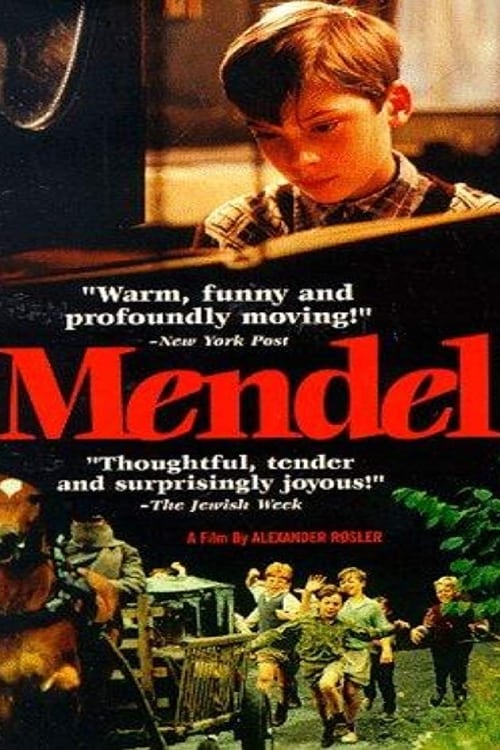
Alexander Røsler
Runtime
95 minutes
Average Rating
No ratings yetNew Showbiz Analysis
Mendel offers a meaningful departure from Western-centric historical narratives by centering the Jewish immigrant experience within a Nordic context. The film uses a child's perspective to explore the complex psychological aftermath of systemic violence and displacement. While the film lacks explicit representation of LGBTQ+ identities or specific gender-driven arcs, it excels in its ethnic and cultural depth. It moves beyond simple historical recounting to examine the internal, imaginative struggle of surviving a fractured reality. The portrayal of trauma suggests a nuanced look at mental health and cognitive processing. By focusing on the 'nightmares' of the past, the film addresses invisible disabilities caused by systemic oppression.
Category Breakdown
The film focuses on a family unit navigating the trauma of displacement. There are no explicit LGBTQ+ characters or explorations of non-straight relationships.
The narrative centers on a family unit navigating post-war survival. While specific gender dynamics are not detailed, the child's perspective may challenge traditional parental roles.
The story centers a Jewish family's migration from Germany to Norway. This disrupts Anglo-centric historical lenses by focusing on the Jewish diaspora and ethnic survival.
The film explores the psychological burden of historical trauma and displacement. It critiques the failures of European institutions through the subjective, imaginative experience of a child.
The narrative highlights the psychological impact of the Holocaust through family nightmares. This suggests an exploration of invisible mental health conditions and trauma-induced neurodivergence.
Present on Screen
Limited or Absent
Official Synopsis
A Jewish family leaves Germany after surviving the Holocaust and heads to Norway. Mendel, their youngest son, is too young to make sense of the Holocaust but tries to comprehend his family's actions during the war and their nightmares now. His imagination frequently runs away from him.
2014
1998
2024

2019

2014

2020

2015
2005
No reviews yet. Be the first to share your thoughts on this movie!
Use the rating form above to leave a star rating and optional review.