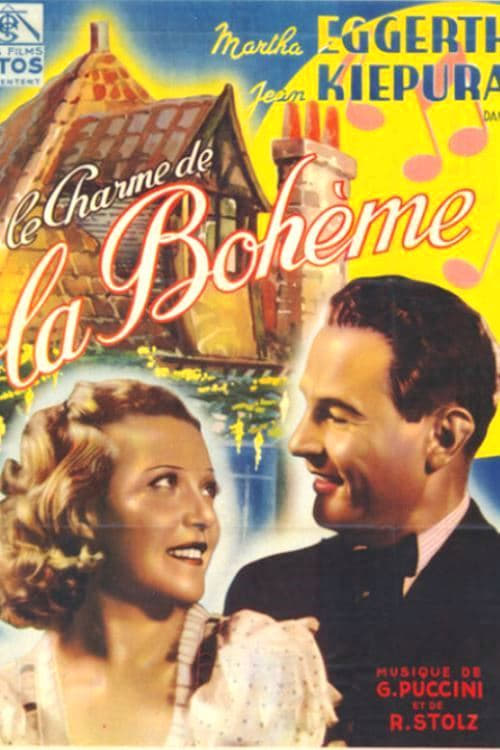
The Charm of La Bohème
1937
No user ratings available yet
Representation score: 3.6 out of 10
Representation Score
Limited
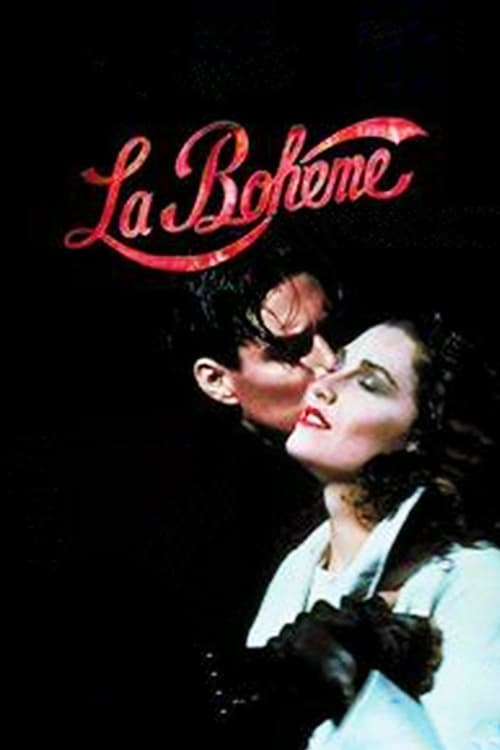
1994
TV-GDirector
Geoffrey Nottage, Baz Luhrmann
Runtime
112 minutes
Average Rating
No ratings yetNew Showbiz Analysis
This production presents a traditional romance set in post-war Paris. It effectively captures the tension between personal desires and economic hardships through its cast of struggling artists. While the film offers a detailed exploration of social dynamics and character's ability to drive the story, it does not include significant diversity in terms of identity. The narrative stays true to traditional romantic archetypes and conventional casting methods. Overall, the work provides a focused look at bohemian life but does not explicitly represent underrepresented identities or diverse racial backgrounds.
Category Breakdown
The main focus is on the relationship between Rodolfo and Mimi. There is no clear indication of LGBTQ+ identities or non-straight relationships.
Mimi and Musetta show strong independence by handling complex emotions. Mimi’s choice to leave Rodolfo despite his jealousy challenges the typical passive female role.
The film features a uniform group of characters in a mid-century Paris setting. It adheres to traditional casting practices of the time and genre.
The story highlights themes of financial struggles and unconventional morality among bohemians. It portrays the community at Café Momus positively.
There is no mention of physical or neurological disabilities in the provided material.
Present on Screen
Limited or Absent
Official Synopsis
In the 50's, in Paris, the neighbors Rodolfo and Mimi meet each other when Mimi's candle blows out in a cold and dark night. They immediately fall in love for each other, in times of financial difficulties in the post-war. Rodolfo introduces Mimi to his close friends Marcello and his beloved Musetta; Colline; and Schaunard and together they have a good-time in Café Momus. Some time later, Mimi tells Marcello that she can not support the jealousy of Rodolfo any longer and when Marcello discuss with Rodolfo, Mimi overhears the real reason for the behavior of her beloved Rodolfo.
1937

1992
1926
1952
1996
1964
1986
1995
No reviews yet. Be the first to share your thoughts on this movie!
Use the rating form above to leave a star rating and optional review.