South Pacific
2001
No user ratings available yet
Representation score: 4.0 out of 10
Representation Score
Good
1996
Director
James Lapine
Runtime
115 minutes
Average Rating
No ratings yetNew Showbiz Analysis
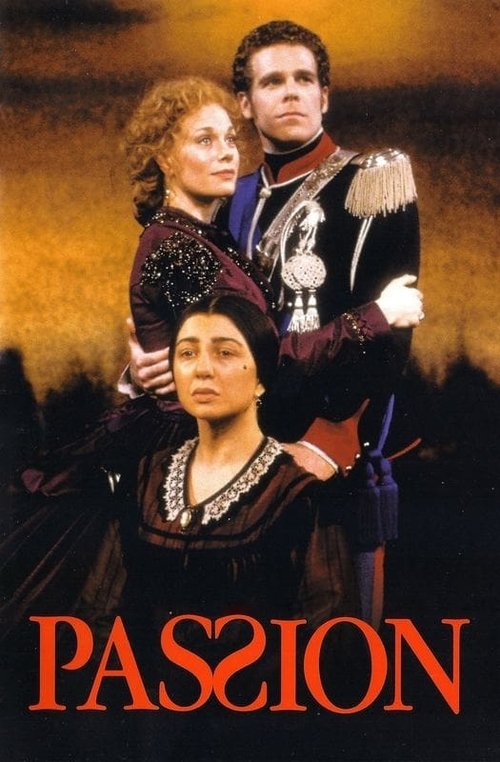
Passion is a psychological character study that succeeds in challenging traditional romantic clichés. By focusing on the complex, obsessive ability to act of its female characters, the film moves away from idealized beauty standards. However, the production is limited by its historical and theatrical context. The lack of racial diversity and queer subtext confines the film within a traditional, Western, and straight-focused framework. Ultimately, the film's strength lies in its emotional depth rather than its broad representation of identities.
Category Breakdown
The story focuses on heterosexual romantic relationships without depicting non-straight identities or queerness. It doesn't include subtext that challenges traditional romantic structures.
The film challenges gender roles by emphasizing the psychological ability to act of female characters. Fosca defies the typical beautiful heroine by being shown as an unattractive and unhealthy figure.
The cast is mainly white, fitting the period setting and Broadway tradition. It doesn't use color-blind casting to address the historical whiteness of the setting.
The narrative examines passion as a morally gray and potentially harmful force. However, it stays within Western theatrical traditions without questioning Western institutions.
Fosca is portrayed as physically and psychologically unhealthy. She drives the plot, but the character might serve as a cautionary tale about illness.
Present on Screen
Limited or Absent
Official Synopsis
Giorgio, a young soldier, is in love with Clara. But they are separated when Giorgio is posted far away, where he meets the unhappy, unhealthy, and unattractive Fosca, who develops a passionate love for Giorgio and tries to make him love her. This rendition of Stephen Sondheim's Tony Award-winning musical was recorded on the stage with it's original all-star Broadway cast. Originally broadcast as part of "American Playhouse" on PBS (season thirteen, episode six).
2001
1952
1980
1958
1934
2004
1986
1986
No reviews yet. Be the first to share your thoughts on this movie!
Use the rating form above to leave a star rating and optional review.