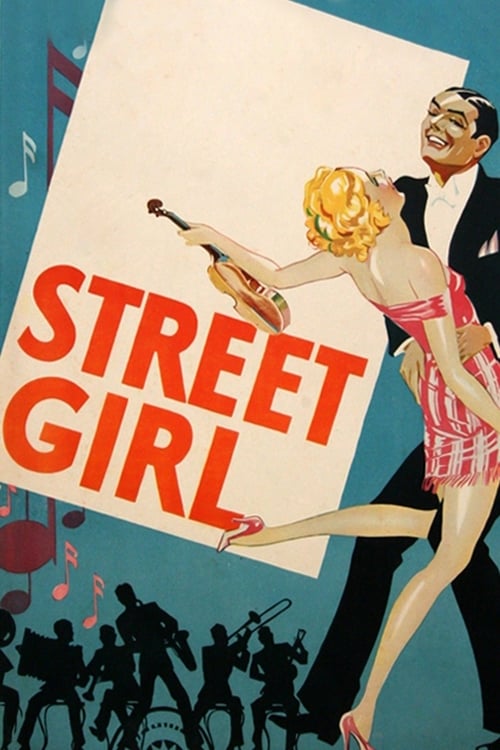
Street Girl
1929
No user ratings available yet
Representation score: 3.7 out of 10
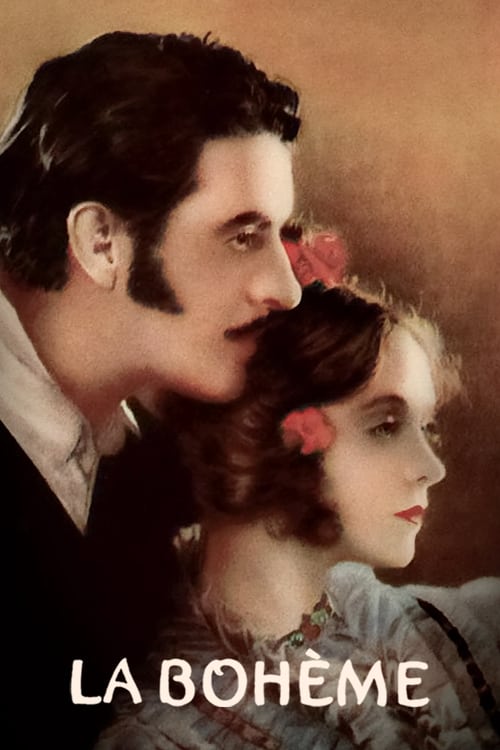
Representation Score
Limited
1926
PassedDirector
King Vidor
Runtime
93 minutes
Average Rating
No ratings yetNew Showbiz Analysis
King Vidor’s adaptation accurately reflects the style of early silent cinema, emphasizing classical melodrama over progressive representation. The narrative structure reinforces traditional gender roles and maintains a homogeneous demographic profile. The film operates as a romanticized tragedy rather than a vehicle for social critique. While it captures the struggles of the bohemian lifestyle, it does so through an emotional lens rather than a critical examination of systemic issues.
Category Breakdown
The film centers on a heterosexual relationship and does not include any characters with LGBTQ+ identities or subtexts.
Mimì is portrayed as a 'fragile heroine,' where her role is limited by her physical vulnerability. The film emphasizes traditional femininity focused on suffering and passivity.
The cast is ethnically uniform, reflecting the production standards of 1926. It lacks diverse character types or actors from different backgrounds.
The story delves into the bohemian subculture and the conflict between art and economic struggles. However, poverty serves as a backdrop for romance rather than a critical look at systemic issues.
Tuberculosis is used as a plot device to drive the tragic storyline. The portrayal emphasizes the 'dying heroine' cliché to evoke emotional impact.
Present on Screen
Limited or Absent
Official Synopsis
A group of starving artists try to survive in 1830s Paris, including a seamstress and the would-be playwright she loves.
1929
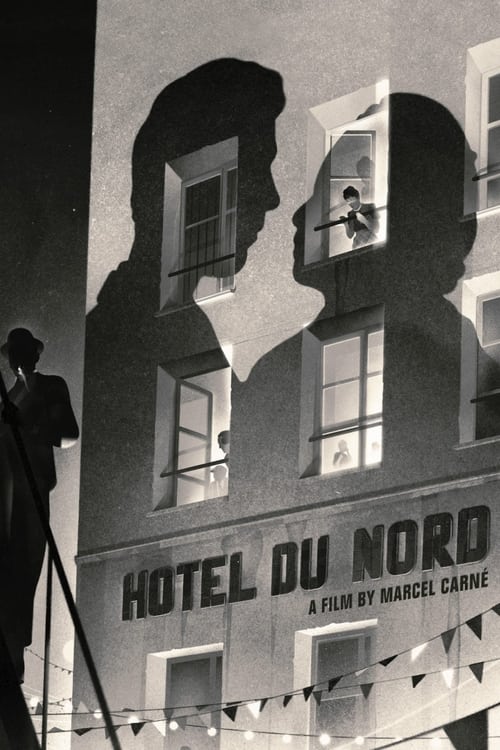
1938
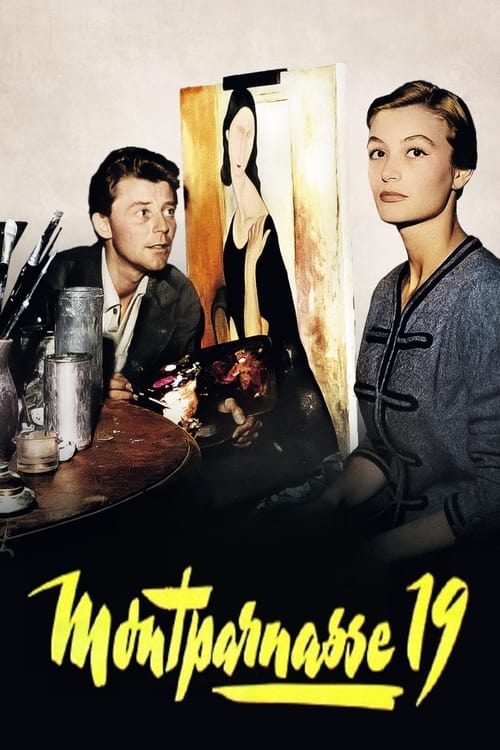
1958

1939
1956
1927

2019
1928
No reviews yet. Be the first to share your thoughts on this movie!
Use the rating form above to leave a star rating and optional review.