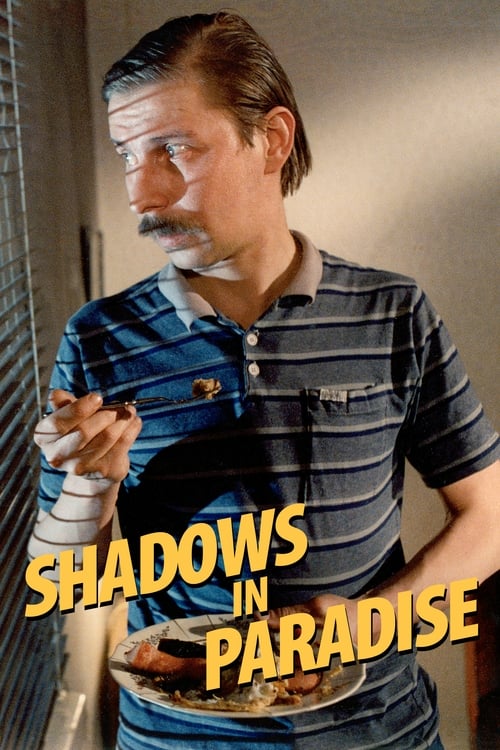
Shadows in Paradise
1986
No user ratings available yet
Representation score: 6.4 out of 10

Representation Score
Good
1992
NRDirector
Aki Kaurismäki
Runtime
103 minutes
Average Rating
No ratings yetNew Showbiz Analysis
Aki Kaurismäki’s film offers a critical look at modern urban life and capitalist structures. By focusing on the lived experiences of individuals underrepresented by economic and legal systems, the film challenges conventional storytelling. The narrative places queer intimacy and an anti-capitalist message at its core, replacing traditional measures of success with a focus on human dignity and community resilience. While the film excels in cultural and queer representation, the broader cast remains somewhat homogeneous, limiting the range of racial and ethnic diversity.
Category Breakdown
The film focuses on a romantic relationship between two male protagonists, presenting their intimacy with a straightforward dignity and avoiding tragic stereotypes.
The traditional emphasis on male dominance is challenged by highlighting emotional intelligence and mutual support. The narrative emphasizes shared vulnerability over patriarchal structures.
The inclusion of Rodolfo, an Albanian painter without a visa, adds a layer of complexity by exploring the tension between personal ability to act and national borders.
The film critiques capitalism by valuing artistic integrity over material wealth. Success is defined through human connections rather than financial gain.
There is no significant evidence of characters navigating visible or invisible disabilities within the narrative.
Present on Screen
Limited or Absent
Official Synopsis
Three penniless artists become friends in modern-day Paris: Rodolfo, an Albanian painter with no visa, Marcel, a playwright and magazine editor with no publisher, and Schaunard, a post-modernist composer of execrable noise.
1986

1988

1993

1984

2002
2005

2021

1986
No reviews yet. Be the first to share your thoughts on this movie!
Use the rating form above to leave a star rating and optional review.