L'Eclisse
1962
No user ratings available yet
Representation score: 3.0 out of 10
Representation Score
Limited
1955
NRDirector
Michelangelo Antonioni
Runtime
104 minutes
Average Rating
No ratings yetNew Showbiz Analysis
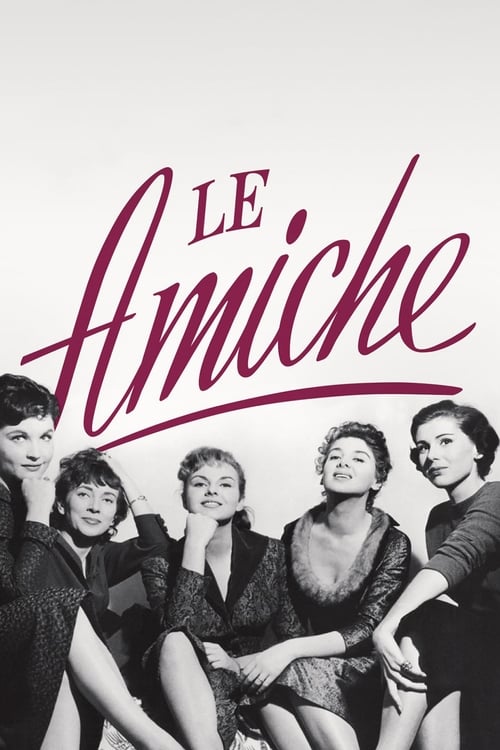
Michelangelo Antonioni’s *Le Amiche* is a modernist study that shifts the cinematic focus to the internal, psychological landscapes of a female social collective. By prioritizing emotional alienation over traditional heroic storylines, the film challenges mid-century storytelling norms. The film excels in its portrayal of women's intellectual and emotional lives. It allows women to navigate social status and romantic ideals independently, subverting patriarchal structures. However, the film is limited by its narrow demographic focus. It lacks diversity, offering minimal representation of LGBTQ+ identities or racial diversity, staying within the confines of the Italian bourgeoisie.
Category Breakdown
The film focuses on heterosexual relationships and social customs of the mid-20th century. It does not include explicit depictions of LGBTQ+ identities or perspectives.
The story centers on women's experiences and perspectives. It delves into the complexities of female friendships and emotional independence, avoiding male-dominated plots.
The cast is predominantly made up of people from similar backgrounds, focusing on the Italian urban middle class. There is no representation of diverse racial or ethnic backgrounds.
Antonioni critiques the surface-level nature of bourgeois social structures and Western social norms. The film examines the emotional instability and alienation found within these social systems.
There are no prominent depictions of visible or invisible disabilities. The film focuses on the psychological alienation of able-bodied characters.
Present on Screen
Limited or Absent
Official Synopsis
Clelia, a self-made woman coming from humble means, travels back to Turin, her hometown, to scout locations for the successful Roman atelier she works for. At the hotel, she encounters some upper middle-class women and she finds herself drawn into their friendships.
1962
1961
1955
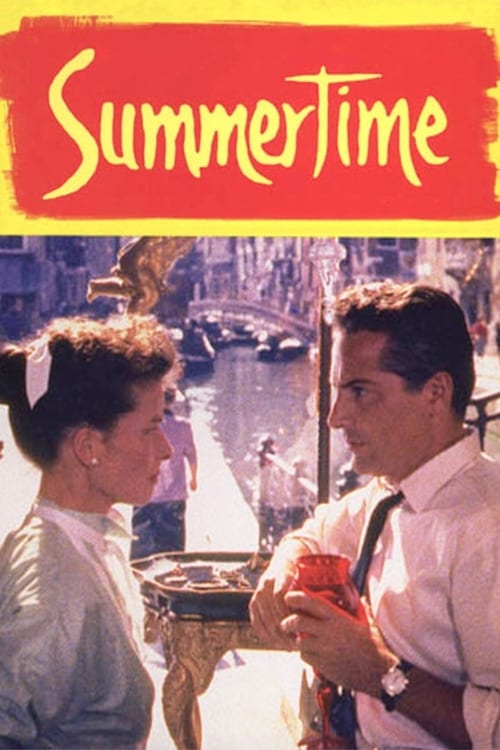
1955
1982
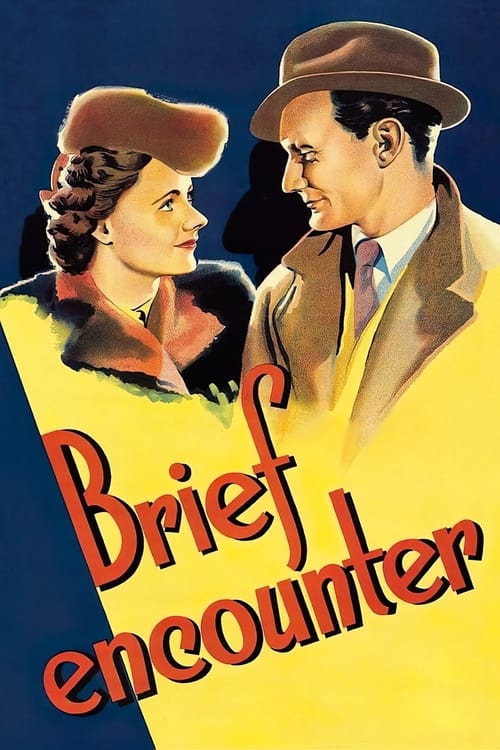
1945
1962
1962
No reviews yet. Be the first to share your thoughts on this movie!
Use the rating form above to leave a star rating and optional review.