The Truce
1974
No user ratings available yet
Diversity score: 3.0 out of 10
1987
Director
Ettore Scola
Runtime
127 minutes
Average Rating
No ratings yetSynopsis
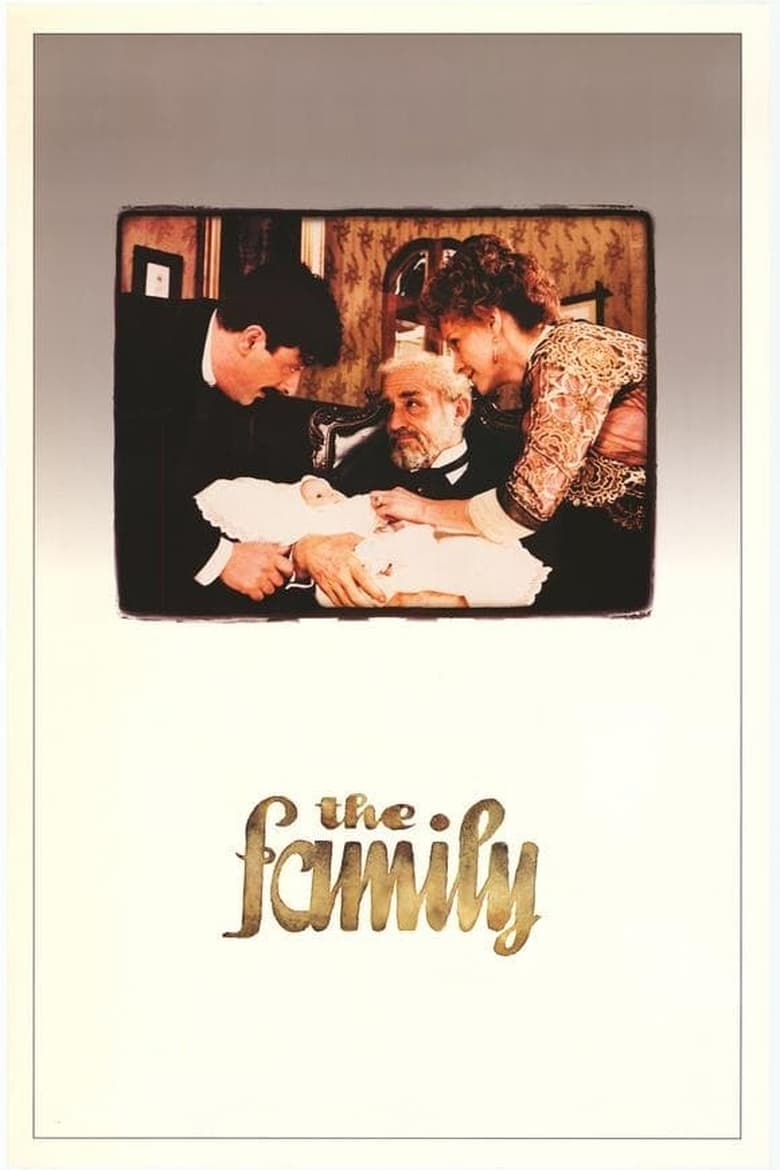
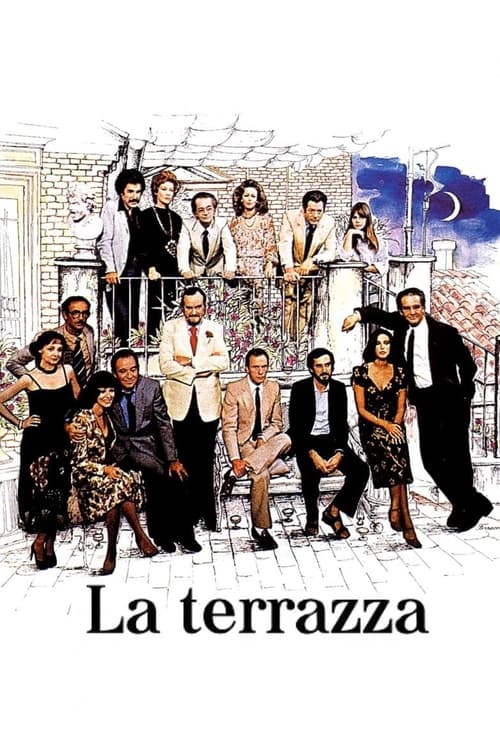
"The Family," an album with a velvet cover, is meant to touch the extended family of man. Formal portraits, bookends in this 80-year saga, enclose the central story, which opens with the baptism of Carlo, a baby in his grandfather's lap, and ends with Carlo as a grandfather with a baby in his arms. And never once do we get out of the house, whose rooms provide the film's structure. Comfort or passion? Carlo couldn't really decide until it was too late.
Overall Score
Fair
Category Breakdown
LGBTQ+ Representation
The film focuses on biological and generational continuity. There is no evidence of non-cisnormative identities or same-sex domesticities within the episodic structure.
Gender Representation
The narrative explores the tension between patriarchal hierarchies and evolving female agency. Women are depicted as essential navigators of the domestic sphere despite the era's constraints.
Racial & Ethnic Diversity
Set in a specific Roman context, the film reflects the ethnic homogeneity of the Italian middle and working classes. It does not prioritize multi-ethnic casting.
Religious & Cultural Diversity
The story offers a critique of Western institutions like the Catholic Church. It portrays these as powerful forces that exert pressure on individual agency.
Disability Representation
There is no centralized focus on neurodivergence or physical disability. Physical frailty is tied to the naturalistic progression of aging rather than character-driven agency.
Strengths
Areas for Improvement
AI Analysis
Ettore Scola’s epic traces an eighty-year saga through a single household, prioritizing historical realism over modern demographic inclusivity. The film functions as a study of how systemic shifts in religion and politics shape a single lineage. While the work lacks contemporary intersectional markers like LGBTQ+ representation or racial diversity, it succeeds in deconstructing traditional institutions. It moves beyond simple progress narratives to show how socioeconomic pressures dictate morality. The film is a sophisticated examination of social history, though its focus remains firmly rooted in the heteronormative and ethnically homogeneous context of its historical setting.
1974
1985

2008
1972

1978

1991

1985
1984

1979
1977

1996
1980
No reviews yet. Be the first to share your thoughts on this movie!
Use the rating form above to leave a star rating and optional review.