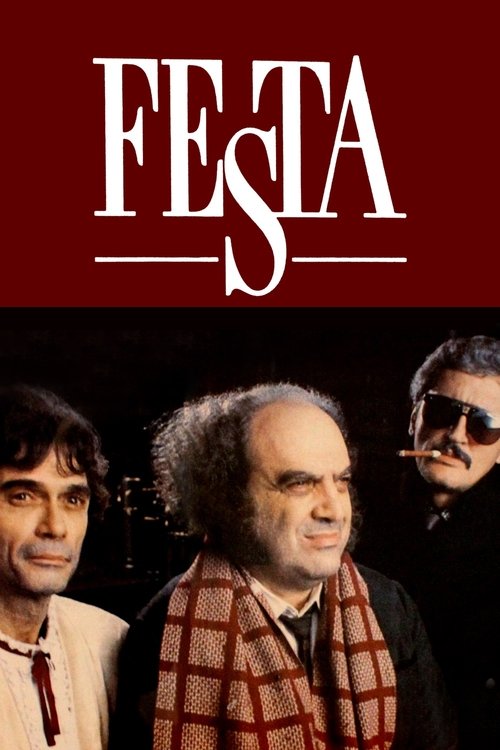
Party
1989
No user ratings available yet
Representation score: 3.5 out of 10
Representation Score
Good
1998
Director
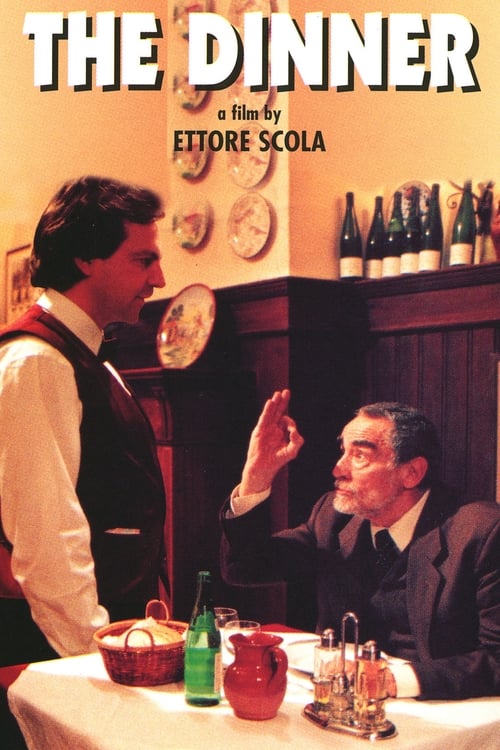
Ettore Scola
Runtime
126 minutes
Average Rating
No ratings yetNew Showbiz Analysis
The Dinner is a sophisticated character study that prioritizes psychological depth and temporal fluidity over demographic variety. It succeeds in disrupting conventional linear storytelling through a postmodern lens. While the film lacks perspectives that reflect multiple aspects of identity, it offers a nuanced look at shifting interpersonal hierarchies. It remains anchored in a traditional European social stratum, focusing on the decay of social structures. Ultimately, the work functions as a localized study of memory and morality rather than a diverse demographic tapestry.
Category Breakdown
The film centers on middle-aged and elderly characters within established social circles. It does not include explicit non-assuming gender matches what was assigned at birth identities or narratives that actively question the assumption that everyone is straight or cisgender.
Scola examines gendered power dynamics through the lens of aging. Flora serves as a stabilizing, intellectual presence that challenges rigid, patriarchal hospitality roles.
The setting reflects the demographic homogeneity of its Italian middle-class context. The cast is primarily European, lacking significant blending of different racial backgrounds.
The narrative uses a postmodern structure to deconstruct truth through memory. It prioritizes the human condition over reinforcing traditional Western institutional norms.
The film treats the physical and cognitive vulnerabilities of aging with dignity. It avoids clichés by framing aging as a complex, inevitable social transition.
Present on Screen
Limited or Absent
Official Synopsis
An evening at an Italian restaurant hosted by tolerant and relaxed Flora, various middle-class parties enter – large and small, young and old, regulars and tourists, married and single – to dine, converse, argue, celebrate, make confessions; to eavesdrop, to interrupt, to sing, listen to music, and enjoy life.
1989
1996
2009

2001

1989

1981
2001
2011
No reviews yet. Be the first to share your thoughts on this movie!
Use the rating form above to leave a star rating and optional review.