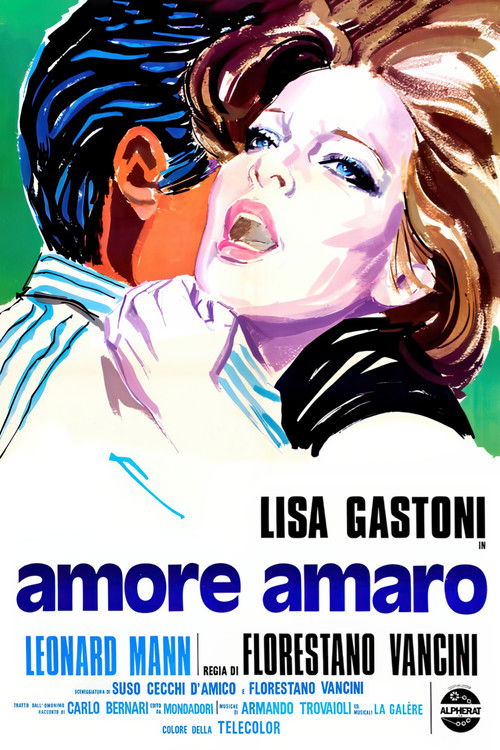
Amore amaro
1974
No user ratings available yet
Representation score: 4.3 out of 10
Representation Score
Fair
1979
Director
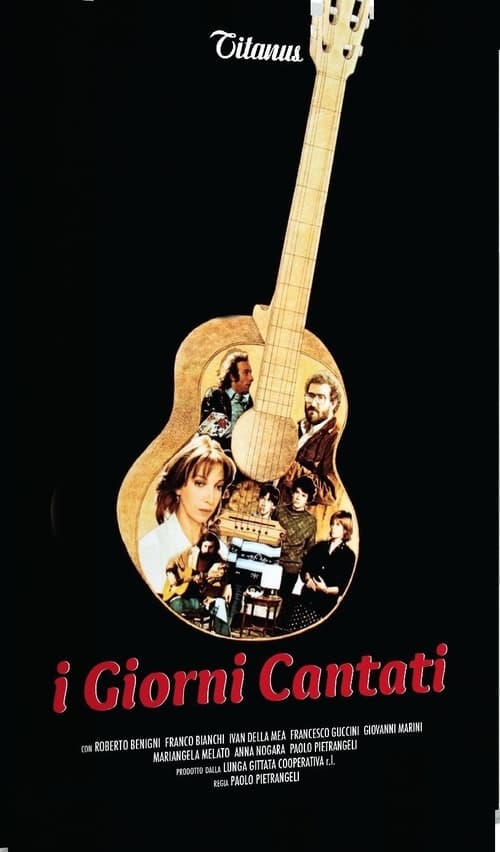
Paolo Pietrangeli
Runtime
0 minutes
Average Rating
No ratings yetNew Showbiz Analysis
Paolo Pietrangeli’s film is deeply rooted in political cinema, emphasizing class struggle and the disruption of traditional power structures. Its strength lies in its sophisticated critique of capitalist and institutional hierarchies. However, the historical context limits its representation of diverse identities, focusing primarily on the 1960s Italian working class.
Category Breakdown
The film does not include explicit storylines or characters that explore LGBTQ+ themes. Instead, it focuses on the socio-economic struggles of workers.
The story emphasizes a male-dominated perspective on labor movements. It does not challenge traditional gender roles or give women significant control over the narrative.
The film reflects the demographic makeup typical of the time, focusing on the working-class population. It does not highlight multi-layered casting seen in modern films.
The film effectively critiques Western institutions and capitalism. It prioritizes the struggles of workers over traditional moral and institutional power structures.
The film includes a scene where the protagonist attempts suicide, but it is unclear if disability is explored with real depth or ability to act.
Present on Screen
Limited or Absent
Official Synopsis
After a close call on on the highway, Marco--a very famous singer/songwriter in 1968--climbs onto the roof of his car and starts to sing. After an unsuccessful suicide attempt, he tries to take his life back into his own hands.
1974

1957
1992
1961
1980
2014
1993

1995
No reviews yet. Be the first to share your thoughts on this movie!
Use the rating form above to leave a star rating and optional review.