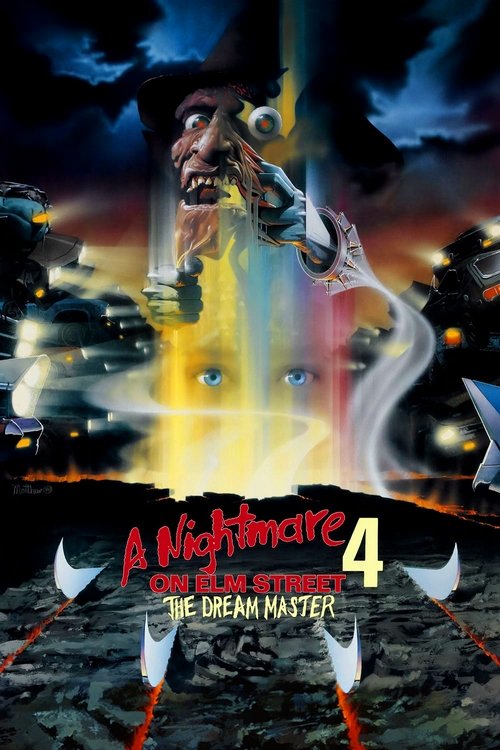
A Nightmare on Elm Street 4: The Dream Master
1988
No user ratings available yet
Representation score: 3.0 out of 10

Representation Score
Limited
1989
RDirector
Stephen Hopkins
Runtime
89 minutes
Average Rating
No ratings yetNew Showbiz Analysis
The film reflects the demographic homogeneity common in 1980s American horror films. While it offers a strong, capable female lead, it does not explore a broad range of identities. The narrative focuses almost entirely on a white, middle-class suburban experience, lacking multi-layered depth and failing to include diverse ethnic backgrounds. Overall, the film adheres to the standard clichés of its era, prioritizing genre-specific excitement over diverse representation or social critique.
Category Breakdown
The film follows traditional assumptions about straight relationships and gender identity typical of 1980s slasher movies. There are no non-cisgender identities or same-sex relationships among the characters.
Kristen Parker challenges traditional gender roles by taking a leading role in defending her family. This shifts the focus of competence away from traditional domestic duties.
The cast is made up of white, middle-class suburbanites with no diversity in ethnicity or background. The narrative does not include characters from different racial or ethnic groups.
The story operates within conventional Western social structures and a simple good-versus-evil framework. It emphasizes protecting the family unit without questioning broader societal issues.
The film does not feature characters with physical or cognitive disabilities who have real control over their actions. Psychological vulnerabilities are used solely as plot devices for horror elements.
Present on Screen
Limited or Absent
Official Synopsis
The pregnant Alice finds Freddy Krueger striking through the sleeping mind of her unborn child, hoping to be reborn into the real world.
1988
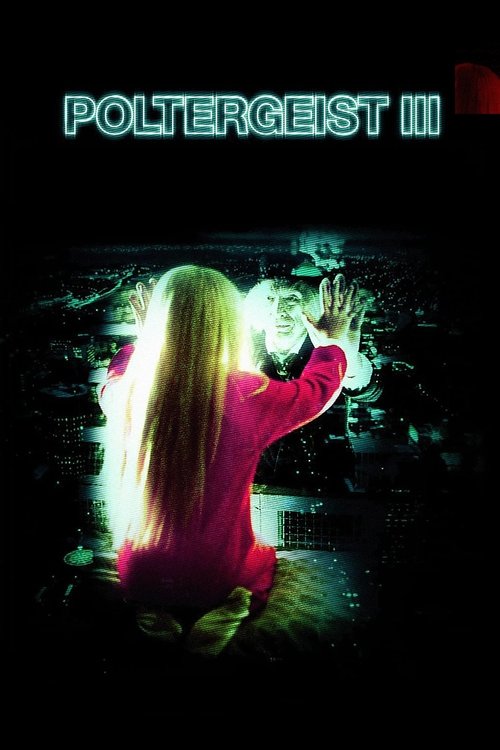
1988

1987

1991
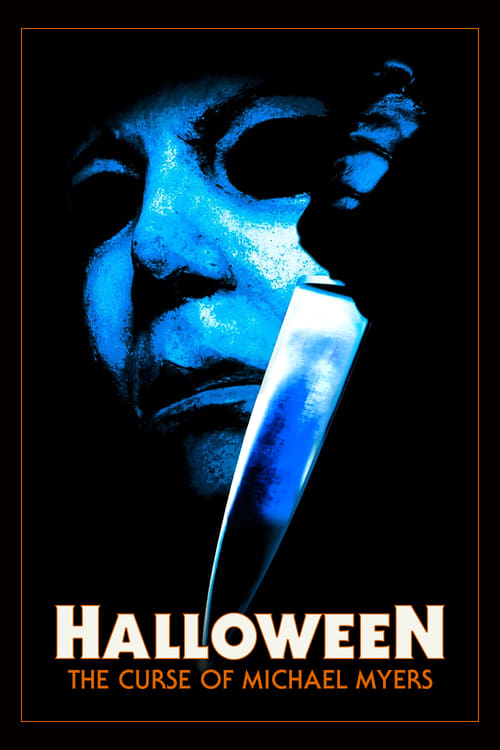
1995
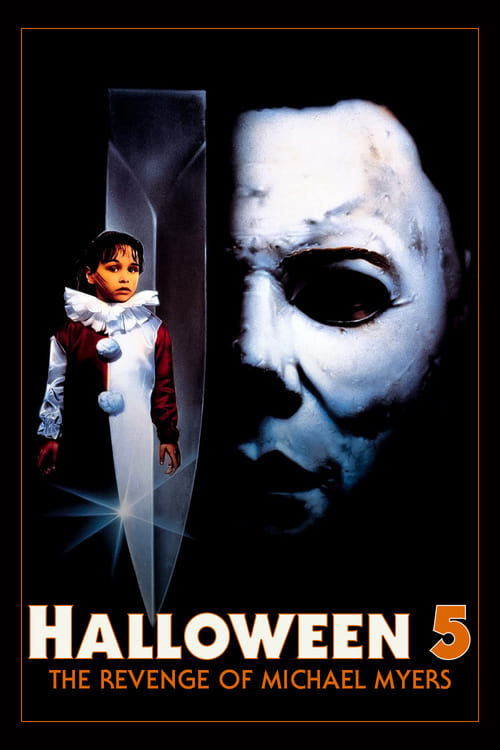
1989

1990

1984
No reviews yet. Be the first to share your thoughts on this movie!
Use the rating form above to leave a star rating and optional review.