Visions
2015
No user ratings available yet
Representation score: 3.6 out of 10
Representation Score
Limited
2019
RDirector
Daniel Farrands
Runtime
90 minutes
Average Rating
No ratings yetNew Showbiz Analysis
The film serves as a historical tragedy that prioritizes period accuracy over modern identity-based narratives. By adhering strictly to the social structures of 1969, it misses opportunities for more complex representations of identity. While it offers a critique of the systemic dangers women faced during the era, the characterization remains tied to traditional gender roles. The focus stays on the specific cultural trauma of the Manson murders rather than expanding on the historical social landscape.
Category Breakdown
The film focuses on the heterosexual relationship between Sharon Tate and Roman Polanski. It does not include any narrative focus on LGBTQ+ identities or experiences.
The story highlights the dangers women faced in male-dominated environments. However, Tate is often portrayed through her domestic and romantic associations.
The cast is primarily white, reflecting the homogeneous Hollywood elite of 1969. The film does not use diverse casting to challenge this historical demographic.
The narrative explores the clash between Hollywood institutions and the Manson Family's anti-establishment views. It treats this cultural conflict as a source of horror.
There are no prominent depictions of physical or neurodivergent disabilities. Such themes do not serve as central character arcs within the film.
Present on Screen
Limited or Absent
Official Synopsis
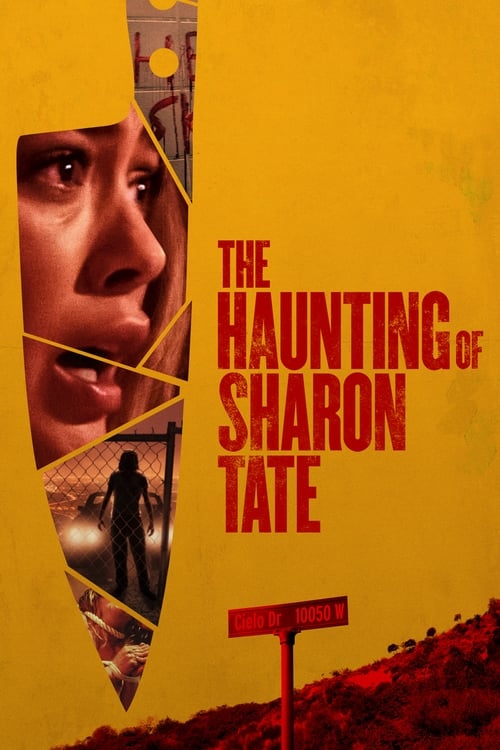
Pregnant with director Roman Polanski's child and awaiting his return from Europe, 26-year-old Hollywood actress Sharon Tate becomes plagued by visions of her imminent death.
2015
1964
2016
1962
2018
2003
2009
2007
No reviews yet. Be the first to share your thoughts on this movie!
Use the rating form above to leave a star rating and optional review.