
A Nightmare on Elm Street: The Dream Child
1989
No user ratings available yet
Representation score: 3.0 out of 10
Representation Score
Limited
1988
RDirector
Renny Harlin
Runtime
93 minutes
Average Rating
No ratings yetNew Showbiz Analysis
The film is a typical 1980s slasher that emphasizes genre spectacle over progressive narrative depth. While it empowers its female lead, avoiding the 'damsel in distress' cliché, it remains traditional in its social outlook. Diversity is constrained by the era's casting norms, resulting in a homogeneous ensemble and a lack of characters who reflect more than one aspect of diversity. The narrative centers on a binary struggle for survival without addressing systemic or cultural issues. Ultimately, the film serves as a standard survival horror, providing ability to act to its protagonist while maintaining a narrow demographic and cultural scope.
Category Breakdown
The film does not include any queer identities or subtext. Character interactions revolve around traditional teenage social structures.
Alice Johnson stands out by playing a strong, resilient female lead who surpasses many male characters in competence and resilience.
The casting is predominantly homogeneous, reflecting the demographic norms of 1980s studio horror. The ensemble lacks significant racial diversity or race-bent casting.
The story adheres to a conventional Western horror framework. It highlights a generational divide but lacks engagement with systemic critiques or complex moral relativism.
Physical or neurodivergent disabilities are not intentionally portrayed. Dream powers serve as supernatural combat tools without exploring lived experiences.
Present on Screen
Limited or Absent
Official Synopsis
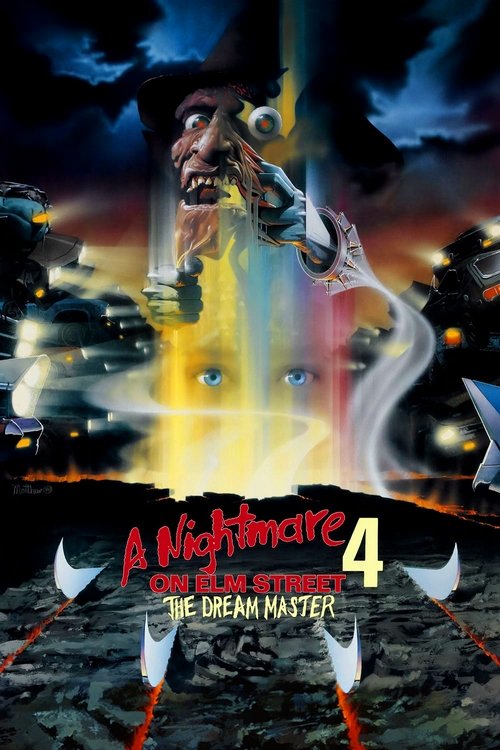
Freddy Krueger returns once again to terrorize the dreams of the remaining Dream Warriors, as well as those of a young woman who may be able to defeat him for good.
1989

1988

1987

1989

1991

1984

1990

1986
No reviews yet. Be the first to share your thoughts on this movie!
Use the rating form above to leave a star rating and optional review.