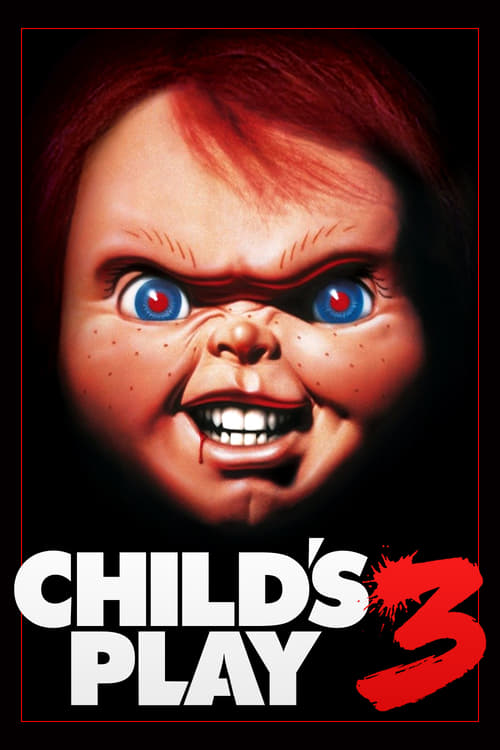
Child's Play 3
1991
No user ratings available yet
Representation score: 2.0 out of 10
Representation Score
Limited
1990
RDirector
John Lafia
Runtime
84 minutes
Average Rating
No ratings yetNew Showbiz Analysis
Child's Play 2 is a conventional slasher film that adheres to the social and narrative conventions of its time. The film prioritizes the execution of horror clichés over any exploration of diverse identities or social critiques. The narrative focuses on a narrow, homogeneous demographic. By centering the conflict on a traditional family unit and male-dominated power struggles, the film avoids engaging with diverse perspectives or complex social issues. Ultimately, the movie maintains established power dynamics and lacks the depth needed to disrupt traditional archetypes or offer nuanced portrayals of underrepresented groups.
Category Breakdown
The film does not include any LGBTQ+ characters or representations of non-straight relationships. It assumes everyone is heterosexual and centers on a traditional family structure.
Gender roles follow traditional patterns. While Karen Barclay shows strong maternal instincts, her role is often reactive, and the main conflict revolves around male-dominated power struggles.
The cast is mostly made up of white actors, reflecting early 90s casting standards. The story lacks diverse ethnic viewpoints and emphasizes a traditional Western setting.
The story presents a simple good-versus-evil moral framework. Its industrial setting serves as a backdrop for conflict without critiquing capitalism or labor conditions.
There is no meaningful depiction of physical or neurodivergent disabilities. Characters are defined by their ability to survive the antagonist's attacks.
Present on Screen
Limited or Absent
Official Synopsis
Chucky is reconstructed by a toy factory to dispel the negative publicity surrounding the doll, and tracks young Andy Barclay to a foster home where the chase begins again.
1991
1988
1988

1984
2013
1986
1989
1987
No reviews yet. Be the first to share your thoughts on this movie!
Use the rating form above to leave a star rating and optional review.