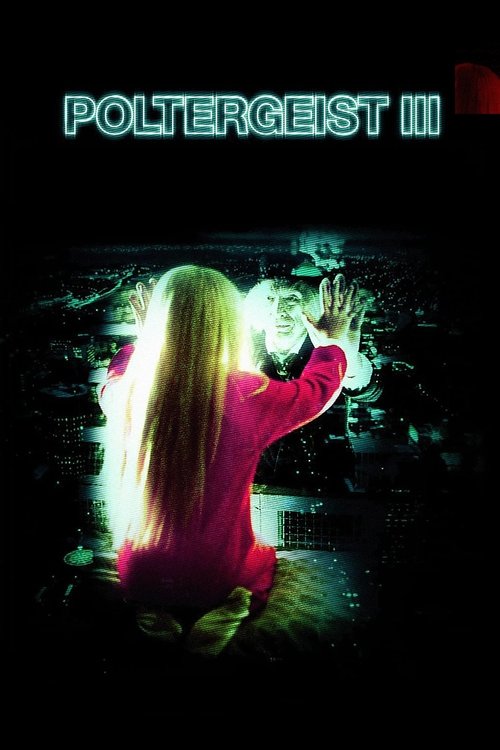
Poltergeist III
1988
No user ratings available yet
Representation score: 0.4 out of 10
Representation Score
Limited
1986
PG-13Director
Brian Gibson
Runtime
91 minutes
Average Rating
No ratings yetNew Showbiz Analysis
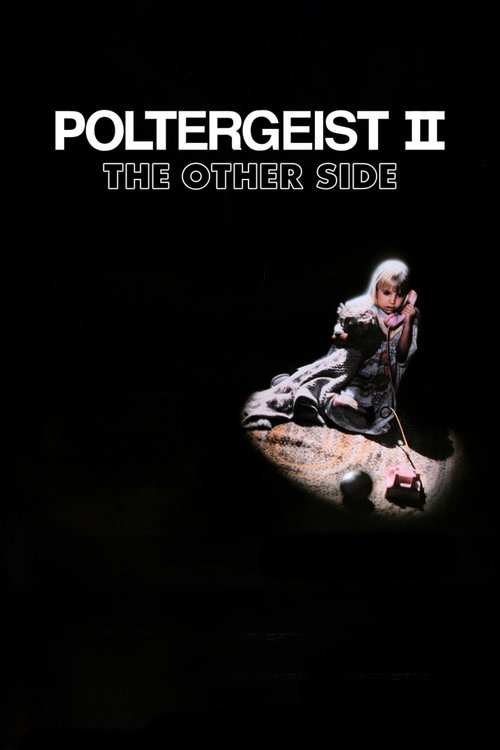
Poltergeist II: The Other Side is a conventional horror film that emphasizes supernatural tension over social complexity. The narrative revolves around a homogeneous, middle-class suburban family, limiting its representation of diverse demographics. The film heavily relies on established 1980s clichés, reinforcing traditional gender roles and a lack of ethnic diversity. While it incorporates spiritual elements, it does not use them to challenge broader societal issues or norms. Overall, the film caters to a narrow audience, providing a classic horror experience without addressing multi-layered identities or social disruptions.
Category Breakdown
The film focuses solely on a straight and cisgender nuclear family. There are no representations of LGBTQ+ individuals or same-sex relationships.
Characters follow traditional 1980s gender roles. Women play nurturing roles while men act as protectors.
The cast is primarily white and middle-class, adhering to typical suburban horror themes. There is no representation of characters from diverse racial backgrounds or cultures.
The story explores spirituality through Tangina Barrons but avoids criticizing organized religion. It uses a traditional moral framework to drive the supernatural conflict.
The film does not feature any characters with visible or invisible disabilities. The plot focuses on psychological trauma rather than the lived experiences of those with disabilities.
Present on Screen
Limited or Absent
Official Synopsis
The Freeling family move in with Diane's mother in an effort to escape the trauma and aftermath of Carol Anne's abduction by the Beast. But the Beast is not to be put off so easily and appears in a ghostly apparition as the Reverend Kane, a religious zealot responsible for the deaths of his many followers. His goal is simple - he wants the angelic Carol Anne.
1988

1978
1990
1977
2013

1978
1995

1976
No reviews yet. Be the first to share your thoughts on this movie!
Use the rating form above to leave a star rating and optional review.