
Ich bin nicht Gott, aber wie Gott
1994
No user ratings available yet
Diversity score: 5.4 out of 10
2015
Director
Steve Hoover
Runtime
96 minutes
Average Rating
No ratings yetSynopsis
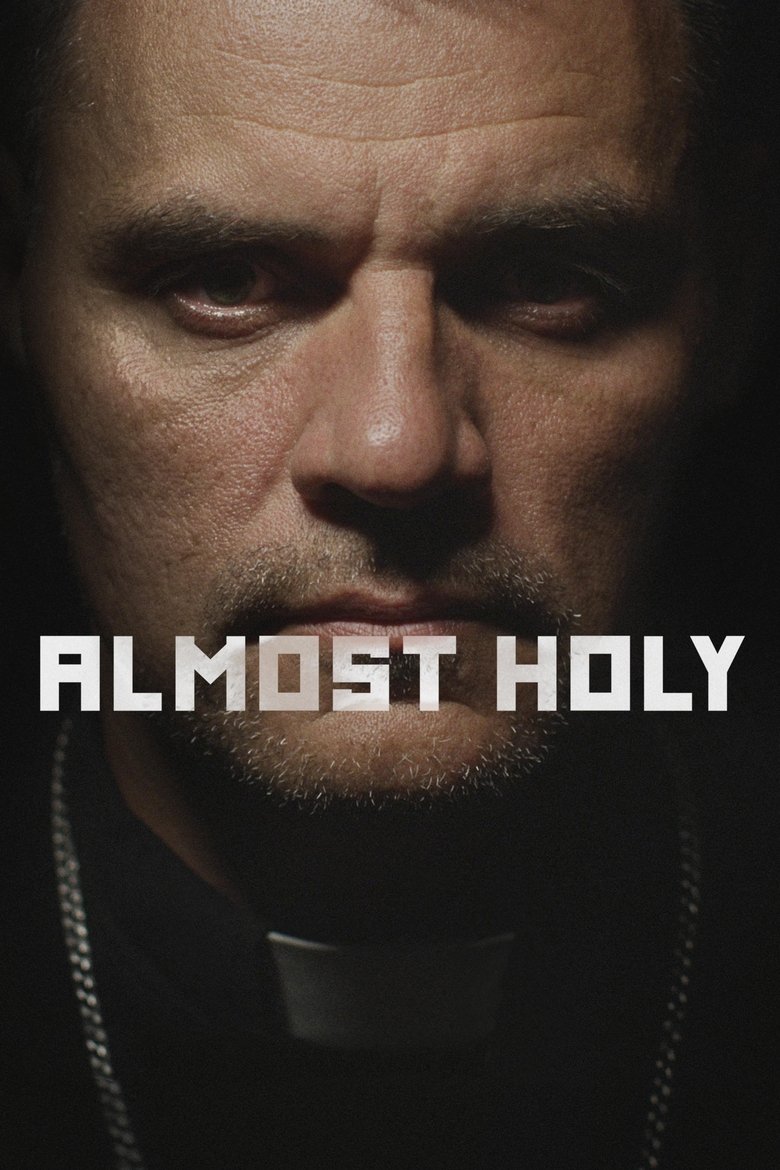
After the collapse of the Soviet Union, Ukraine's social and political institutions faced massive change, including an increasingly corrupt government and crippled infrastructure. A number of the nation's youth wound up homeless and addicted to a lethal cocktail of injected cold medicine and alcohol. In the early 2000s a pastor from Mariupol named Gennadiy Mokhnenko took up the fight against child homelessness by forcibly abducting street kids and bringing them to his Pilgrim Republic rehabilitation center—the largest organization of its kind in the former Soviet Union. Gennadiy's ongoing efforts and unabashedly tough love approach to his city's problems has made him a folk hero for some, and a lawless vigilante to others. Despite criticism, Gennadiy is determined to continue his work.
Overall Score
Fair
Category Breakdown
LGBTQ+ Representation
The film focuses on the socioeconomic crises of addiction and homelessness. It does not center queer narratives or provide explicit evidence of non-cisnormative identities.
Gender Representation
Gennadiy Mokhnenko operates through a paternalistic authority. While survival disrupts traditional hierarchies, the film does not prioritize the subversion of masculinity or female intellect.
Racial & Ethnic Diversity
The cast is ethnically homogeneous and predominantly Slavic. However, it provides a rare look at the displaced and stateless voices of the former Soviet Union.
Religious & Cultural Diversity
The narrative critiques failed state institutions and traditional religious passivity. It highlights a radical, grassroots morality through the lens of the Pilgrim Republic.
Disability Representation
The film depicts the physical and neurobiological impacts of chronic substance abuse. These struggles are shown with raw agency rather than through a lens of inspiration.
Strengths
Areas for Improvement
AI Analysis
Almost Holy is a gritty study of systemic collapse in post-Soviet Ukraine. It succeeds by centering the experiences of the displaced and addicted, offering a perspective often erased by Western media. The film's strength lies in its cultural critique of failed state institutions. However, the film lacks explicit representation of LGBTQ+ identities and multi-ethnic casting. The narrative is largely driven by a paternalistic male figure, which limits the exploration of diverse gender dynamics. Ultimately, the documentary trades traditional identity-based markers for a deep, visceral exploration of class-based marginalization and the survival of those living on the extreme edges of society.
1994

2020

2015
2016
2013

2019

2014

2016

2016

2013
2014
No reviews yet. Be the first to share your thoughts on this movie!
Use the rating form above to leave a star rating and optional review.