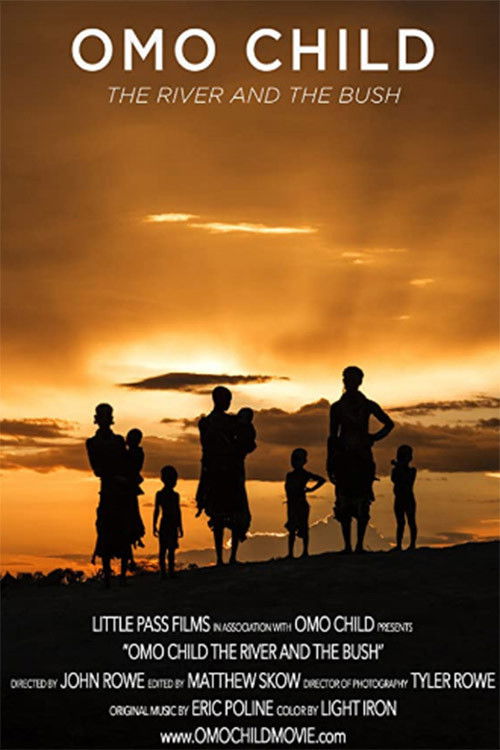
Omo Child: The River and the Bush
2015
No user ratings available yet
Diversity score: 7.7 out of 10
2016
TV-PGDirector
Ben Steele
Runtime
41 minutes
Average Rating
No ratings yetSynopsis
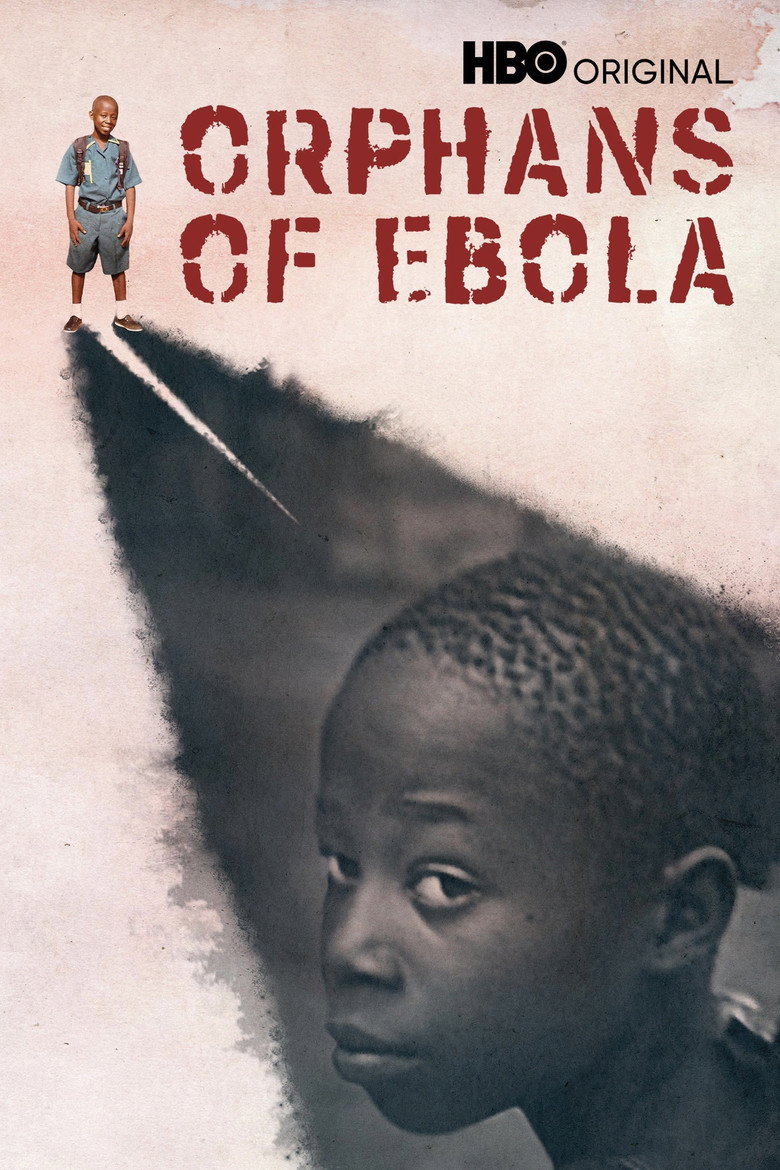
Ben Steele’s ORPHANS OF EBOLA follows Abu, a 12-year-old boy from a Sierra Leone village, who loses eight members of his family and must restart his life elsewhere. Filmed over a period of four months, beginning just after the height of the epidemic in Dec. 2014 through the reopening of the country’s schools in April 2015, Abu’s story illustrates the incredible bravery of the thousands of children who have been orphaned by Ebola as they reconcile with the past and forge new lives.
Overall Score
Good
Category Breakdown
LGBTQ+ Representation
The film focuses on the biological and social consequences of the Ebola epidemic. It contains no LGBTQ+ characters or narratives.
Gender Representation
The documentary presents a balanced view of children navigating a post-outbreak environment. It emphasizes the shared, egalitarian experience of trauma among both boys and girls.
Racial & Ethnic Diversity
The film achieves exceptional authenticity by centering an entirely West African cast. It provides a platform for Sierra Leonean voices to drive the narrative.
Religious & Cultural Diversity
The narrative highlights the breakdown of traditional structures like schooling and nuclear families. It prioritizes the subjective reality of survivors over Western interventionist narratives.
Disability Representation
The film provides nuanced visibility into both visible and invisible disabilities. It documents the long-term physical complications resulting from the virus.
Strengths
Areas for Improvement
AI Analysis
Orphans of Ebola is a powerful ethnographic study that avoids the common pitfalls of Western-centric humanitarian storytelling. By centering the agency of Sierra Leonean survivors, the film disrupts the 'white savior' trope and offers a raw look at communal resilience. The documentary excels in its authentic racial representation and its nuanced portrayal of physical disability. It treats those living with the long-term health effects of the virus as central figures rather than mere plot devices. While the film lacks LGBTQ+ narratives or explicit gender subversion, its strength lies in its observational realism. It provides a sophisticated look at how systemic biological failures reshape social units and individual lives.
2015
2015
2015

2009
2013
2013

2021
2014
No reviews yet. Be the first to share your thoughts on this movie!
Use the rating form above to leave a star rating and optional review.