The Hidden Tiger
2016
No user ratings available yet
Representation score: 5.7 out of 10
Representation Score
Good
2019
Not RatedDirector
Affonso Uchôa
Runtime
42 minutes
Average Rating
No ratings yetNew Showbiz Analysis
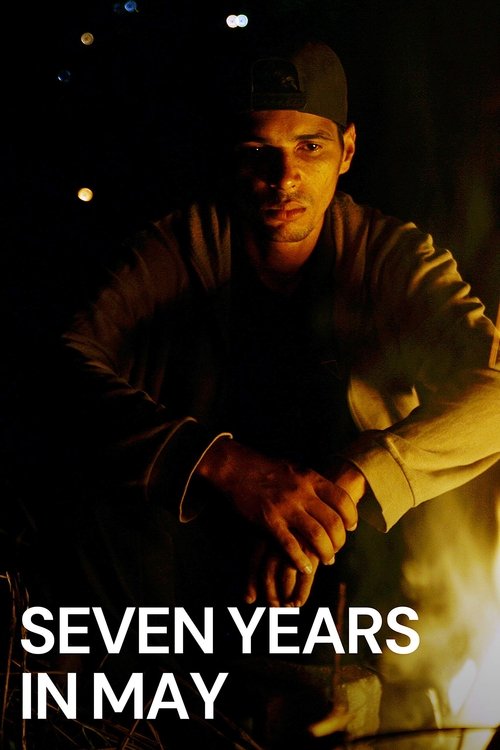
Seven Years in May is a powerful social documentary that shifts the focus from a single protagonist to a collective experience of the oppressed. By centering the tension between the individual and the state, the film challenges the legitimacy of traditional authority structures. The work excels in its racial and cultural critique, framing systemic violence as a national issue rather than an isolated incident. This approach provides a profound look at how institutional corruption impacts underrepresented communities. While the film offers a deep critique of systemic issues, it remains focused on the male experience of poverty and repression. There is little evidence of specific LGBTQ+ or disability-focused narratives within the current overview.
Category Breakdown
The film doesn't explicitly mention queer identities or non-straight characters. However, its focus on social exclusion leaves room for diverse identities within its broader critique.
The story centers on the male experience of systemic oppression and police repression. It highlights vulnerability and the necessity of escape rather than traditional masculine strength.
The film provides exceptional representation by centering Black and underrepresented bodies. It frames the protagonist's struggle as a symptom of a racially and socio-economically stratified society.
The narrative critiques Western and state institutions by framing police and legal systems as sources of corruption. It emphasizes communal struggle over individual meritocracy and state authority.
There is no specific evidence regarding the portrayal of physical or neurodivergent disabilities in the work.
Present on Screen
Limited or Absent
Official Synopsis
One night seven years ago, Rafael came home after work and discovered that people he did not know had come looking for him. He immediately fled, without looking back. From that moment on, his life changed, as if that night had never ended. One evening, around an improvised fire near a factory, he decides to confide his journey to a stranger. Rafael’s intimate account meets the collective testimony of an entire nation oppressed by poverty, police repression and institutional corruption.
2016
2002
2018
2003

2015
2021

2013

2023
No reviews yet. Be the first to share your thoughts on this movie!
Use the rating form above to leave a star rating and optional review.