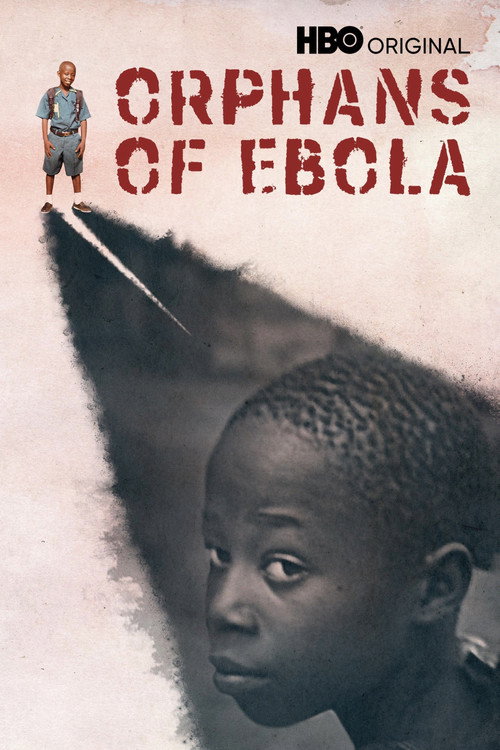
Orphans of Ebola
2016
No user ratings available yet
Representation score: 6.1 out of 10
Representation Score
Good
2015
Not RatedDirector
John Rowe
Runtime
89 minutes
Average Rating
No ratings yetNew Showbiz Analysis
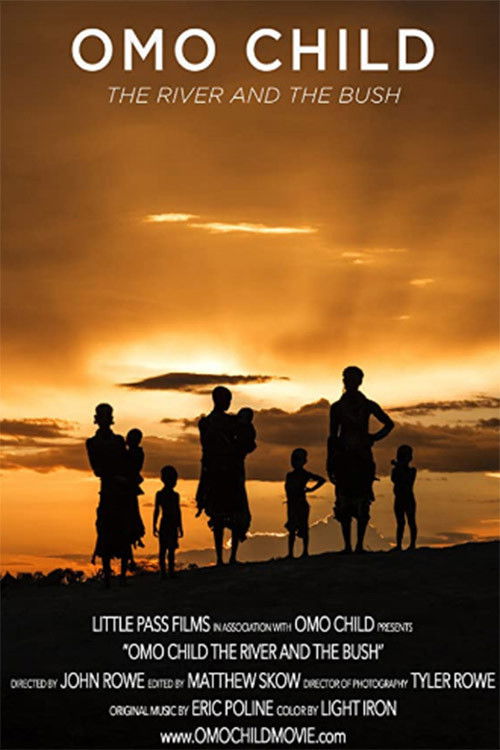
Omo Child: The River and the Bush is a powerful piece of ethnographic storytelling that centers indigenous ability to act. By following Lale Labuko, the film moves beyond passive observation to show an internal struggle against lethal ancestral traditions. The documentary succeeds in deconstructing the authority of traditionalist structures. It replaces the cliché of the helpless subject with a protagonist who uses education to challenge systemic, fatalistic belief systems. While the film is driven by a male perspective, its critique of the patriarchal and superstitious systems that claim lives provides a profound look at human rights and social evolution.
Category Breakdown
The film focuses on tribal customs and human rights regarding child survival. There is no documented evidence of LGBTQ+ themes or identities within this specific cultural context.
The narrative highlights the vulnerability of female subjects, particularly through the protagonist's realization about his deceased sisters. It critiques a patriarchal system that mandates the execution of children.
The film provides exceptional representation by centering the indigenous Kara tribe. It avoids the Western savior cliché by focusing on an internal reformer who operates within his own cultural framework.
The film portrays traditional, localized superstitious institutions as harmful and regressive. It prioritizes human rights and secular logic over ancient, ritualistic practices like the mingi tradition.
The film treats children perceived as cursed—often due to physical or developmental differences—as central victims of systemic violence. It serves as an advocacy piece for those underrepresented by perceived impairments.
Present on Screen
Limited or Absent
Official Synopsis
For many generations people in the Omo Valley (tribal southwest Ethiopia) believed some children are cursed and that these 'cursed' children bring disease, drought and death to the tribe. The curse is called 'mingi' and mingi children are killed. Lale Labuko, a young educated man from the Kara tribe was 15 years old when he saw a child in his village killed and also learned that he had 2 older sisters he never knew who had been killed. He decided one day he would stop this horrific practice. Filmed over a five year period we follow Lale's journey along with the people of his tribe as they attempt to change an ancient practice.
2016
2004
2012
2004
2011
2016
2008
2010
No reviews yet. Be the first to share your thoughts on this movie!
Use the rating form above to leave a star rating and optional review.