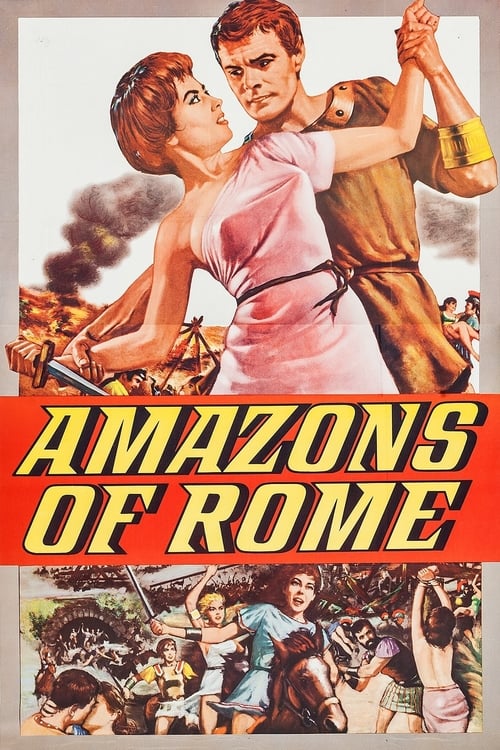
Amazons of Rome
1961
No user ratings available yet
Representation score: 4.0 out of 10
Representation Score
Limited
1963
Not RatedDirector
Giorgio Ferroni
Runtime
102 minutes
Average Rating
No ratings yetNew Showbiz Analysis
The film operates as a standard mid-century adventure epic, prioritizing mythic archetypes over sociopolitical nuance. The narrative is driven by a singular male hero, Glaucus, whose journey through combat and infiltration defines the plot's momentum. While the film includes women in positions of authority, such as Queen Demetra, these roles do not fundamentally dismantle traditional gender hierarchies. The storytelling relies on established formulas of the era, focusing on a moral struggle against a perceived evil cult. Ultimately, the production lacks complexity in reflecting multiple aspects of identity. It adheres to the conventional frameworks of 1960s genre cinema, offering little in the way of diverse representation or the subversion of social norms.
Category Breakdown
The film follows a traditional hero's journey focused on infiltration and combat. There are no non-cisgender identities or narratives that challenge the assumption that everyone is straight or cisgender.
Glaucus drives the plot through his physical strength, maintaining central ability to act. Queen Demetra offers a slight subversion of roles through her power, though her characterization leans into the male gaze.
Set in Mycenaean Greece, the film maintains a homogeneous Mediterranean aesthetic. It lacks diverse ethnic metaphors or race-bent casting, focusing instead on a localized mythic struggle.
The story explores religious exploitation through a binary of good versus evil. It treats the Moloch cult as an external threat rather than providing a nuanced critique of power.
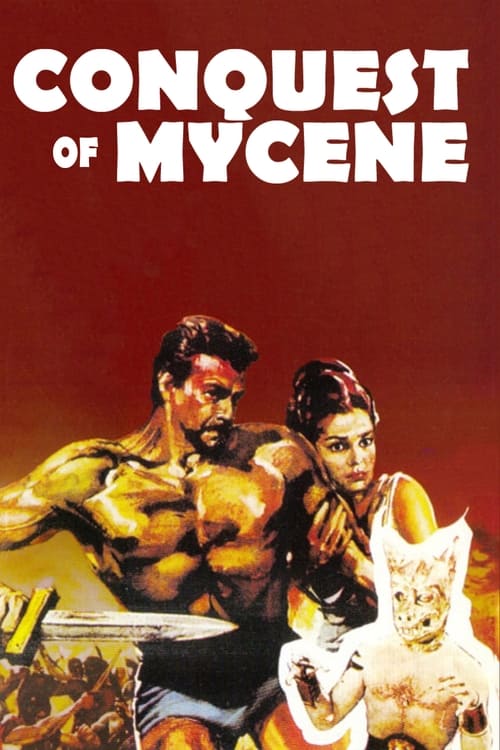
No characters with disabilities are portrayed with ability to act. The use of a dog-headed mask for a child appears to be a ritualistic element rather than a representation of disability.
Present on Screen
Limited or Absent
Official Synopsis
Gordon Scott plays Glaucus, the prince of Tiryns, a powerful warrior who goes undercover in Mycenae to infiltrate the evil cult of Moloch, which is exacting tribute from neighboring kingdoms in the form of attractive young hostages, both male and female. Calling himself "Hercules," Glaucus defeats Mycenae's champions and gains the favor of the voluptuous Queen Demetra (Rosalba Neri) whose son, covered in a dog's head mask, has been raised as the living embodiment of the dark god Moloch and receives sacrifices in his sprawling underground grotto.
1961
1994
1972
1962
1957
1994
1963
1964
No reviews yet. Be the first to share your thoughts on this movie!
Use the rating form above to leave a star rating and optional review.