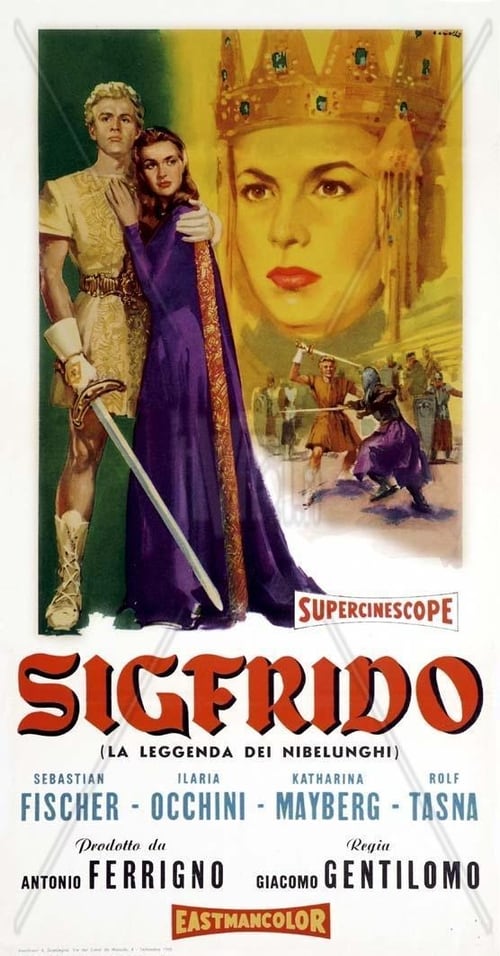
The Dragon's Blood
1958
No user ratings available yet
Representation score: 1.8 out of 10
Representation Score
Limited
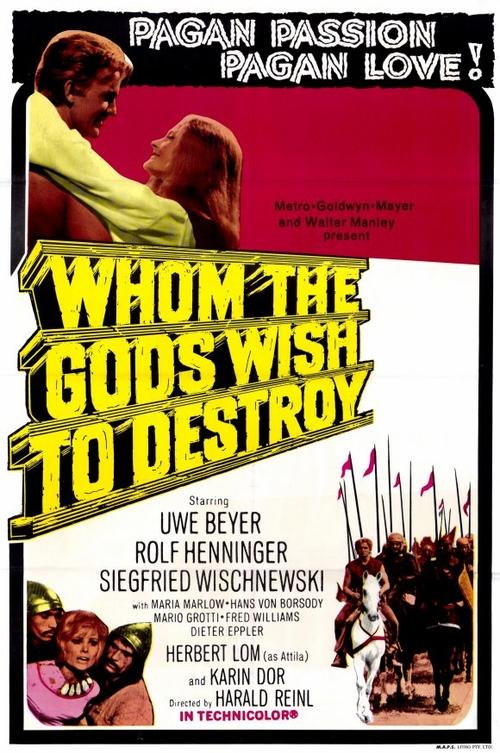
1966
Director
Harald Reinl
Runtime
91 minutes
Average Rating
No ratings yetNew Showbiz Analysis
Whom the Gods Wish to Destroy is a classic mid-century epic that upholds traditional social and gender hierarchies. The narrative relies on classical archetypes that emphasize masculine strength and traditional authority. The production adheres to the conservative cinematic norms of the 1960s, presenting a standardized portrayal of heroism. It lacks the intentionality needed to disrupt conventional clichés or offer a multi-layered approach to diversity. Ultimately, the film serves as a traditionalist epic, centered around a singular ethnic and social perspective through its homogeneous casting and rigid moral frameworks.
Category Breakdown
The film focuses solely on traditional romantic relationships and does not include any depictions of LGBTQ+ identities or same-sex intimacy.
Women play important roles in driving the plot, but they are often limited to being catalysts for conflict or objects of desire within a male-dominated story.
The casting is predominantly white and European, reflecting the era's standard for Germanic mythological settings without diverse ethnic representation.
The story emphasizes divine intervention and a structured social order sanctioned by religion, reinforcing classical hierarchies without exploring secular themes.
Characters are portrayed as idealized mythological figures, and the film does not address neurodivergence, physical disabilities, or the complexities of lived experience.
Present on Screen
Limited or Absent
Official Synopsis
Siegfried of Xanten snatches the Nibelung treasure from the king of the underworld and slays the dragon Fafnir, whose blood makes him invulnerable. Siegfried falls in love with Kriemhild, the sister of the Burgundian king. But only if Siegfried helps Gunther marry Brunhild will he be allowed to marry Kriemhild. He fulfills this condition, but the two women bring ruin upon Xanten and Burgundy...
1958
1981
1967

2004
1957
1924

1964
1963
No reviews yet. Be the first to share your thoughts on this movie!
Use the rating form above to leave a star rating and optional review.