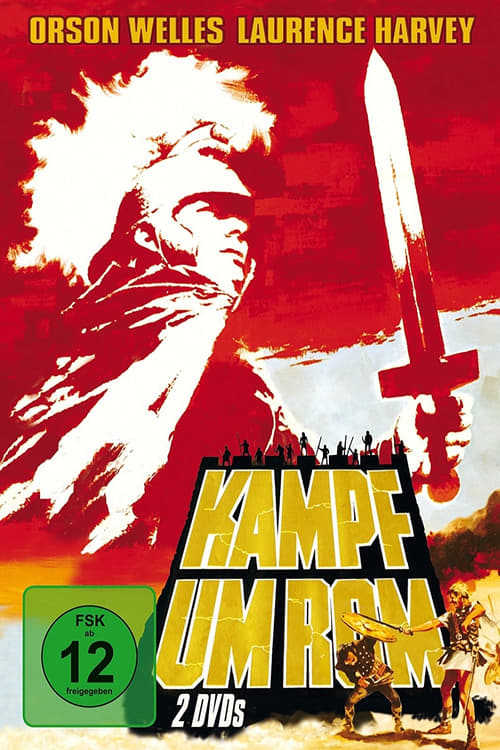
The Fight for Rome II - The Betrayal
1969
No user ratings available yet
Representation score: 2.0 out of 10
Representation Score
Limited
1961
NRDirector
Vittorio Cottafavi, Carlo Ludovico Bragaglia
Runtime
105 minutes
Average Rating
No ratings yetNew Showbiz Analysis
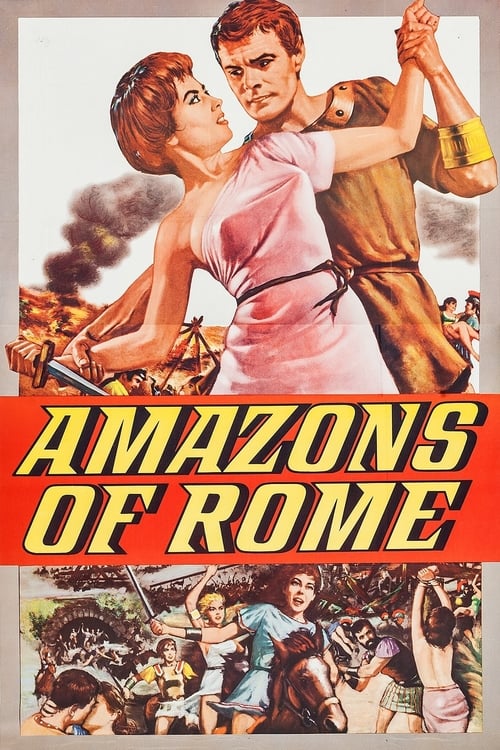
Amazons of Rome stands out from typical patriarchal narratives in the sword-and-sandal genre by giving women significant roles. By focusing on a matriarchal society, the film challenges the 'damsel in distress' cliché prevalent during that era. Nevertheless, the film adheres to the demographic limitations of its time. It lacks diverse representation, particularly for LGBTQ+ identities and racial diversity, sticking to a homogeneous European cast. Overall, the film's strength lies in its reconfiguration of gender power structures. Despite operating within the stylistic confines of 1960s European cinema, it offers a refreshing shift from male-dominated epics.
Category Breakdown
The film does not include explicit representations of LGBTQ+ identities or same-sex relationships. It also does not have any queer subtext or critiques of the assumption that everyone is straight or cisgender.
The movie breaks away from traditional gender roles by focusing on a matriarchal clan led by female warriors. These women serve as both military leaders and political decision-makers, challenging the idea that women are passive figures.
The casting is predominantly white, aligning with the typical European actors of 1960s Italian cinema. The film explores conflicts between Etruscans and Romans through a classical European perspective.
The story portrays tribal resistance against the expanding power of Rome. It adds moral complexity by presenting the empire as a systemic force rather than a single moral entity.
The film does not highlight any visible or invisible disabilities. Characters are primarily defined by their physical abilities and combat skills.
Present on Screen
Limited or Absent
Official Synopsis
Marching down the Italian peninsula to sack ancient Rome, Etruscan warrior Drusco instead offers to hold back his onslaught if the Romans hand over hostages, including Clelia, the sexy leader of a clan of woman warriors. But before long, intrigue and betrayal unravel the fragile peace. Directors Carlo Ludovico Bragaglia and Vittorio Cottafavi helm this vintage sword-and-sandal epic.
1969
1967
1973
2010
1964
1962
1961
1960
No reviews yet. Be the first to share your thoughts on this movie!
Use the rating form above to leave a star rating and optional review.