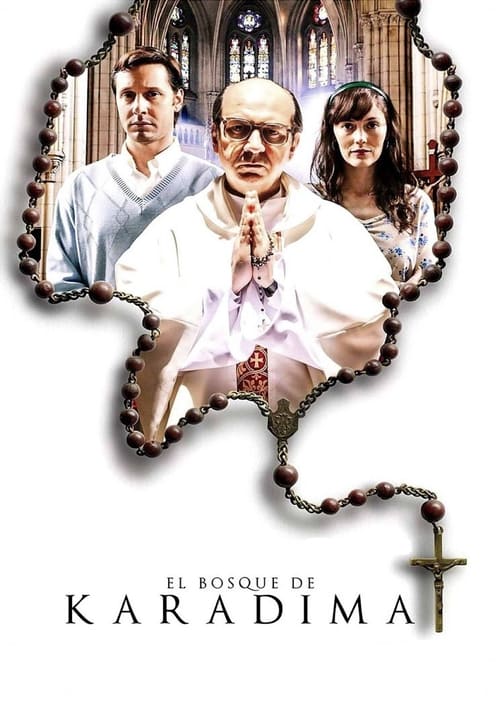
Karadima Forest
2015
No user ratings available yet
Representation score: 8.3 out of 10

Representation Score
Good
2014
NRDirector
Luis Urquiza
Runtime
90 minutes
Average Rating
No ratings yetNew Showbiz Analysis
Luis Urquiza's drama effectively dismantles the notion of institutional power. By redefining 'perfect obedience' as a means of subjugation rather than a spiritual ideal, the film upends conventional views of religious sanctity. The work is particularly powerful in its critique of patriarchal and religious dominance, replacing the perceived infallibility of the Church with a critical look at systemic misconduct and corruption of authority. However, the film's scope is limited. While it excels in critiquing institutions, it does not explicitly address LGBTQ+ identities, disability, or broad racial diversity.
Category Breakdown
The film explores predatory behavior and power imbalances within a religious institution, but it does not focus on LGBTQ identities or non-cisgender expressions, concentrating instead on institutional misconduct.
It challenges the stereotype of the holy leader by revealing the corruption of masculine authority. However, women play a minor role compared to the central male-dominated seminary hierarchy.
Set in Mexico, the film provides a local perspective that moves away from Anglo-centric storytelling. It highlights socio-economic differences and class distinctions within the regional ethnic context.
The film harshly criticizes the Catholic Church, presenting religious doctrine as a tool for systemic oppression. It questions the sanctity of traditional institutions and moral authority.
There are no specific depictions of physical or neurodivergent disabilities that serve as central character traits or drive the narrative.
Present on Screen
Limited or Absent
Official Synopsis
The fictional Father Ángel de la Cruz is based on Legion of Christ founder Marcial Maciel, whose long history of child abuse was not addressed until 2006 and only publicly acknowledged in 2009. But director Luis Urquiza chooses to structure his film through the largely uncomprehending, wondering eyes of 13-year-old Julián, who travels from the arms of his loving pastoral family into the austere, hallowed halls of the seminary. Singling out the boy as his intimate disciple, installing him in his palatial private quarters and redubbing him “Sacramento Santos,” Father Ángel begins Julian’s instruction into the mysteries of “perfect obedience,” whose cardinal rule is: Never question a superior’s actions.
2015
2013
2013
2004
2019

2006
1977
2024
No reviews yet. Be the first to share your thoughts on this movie!
Use the rating form above to leave a star rating and optional review.