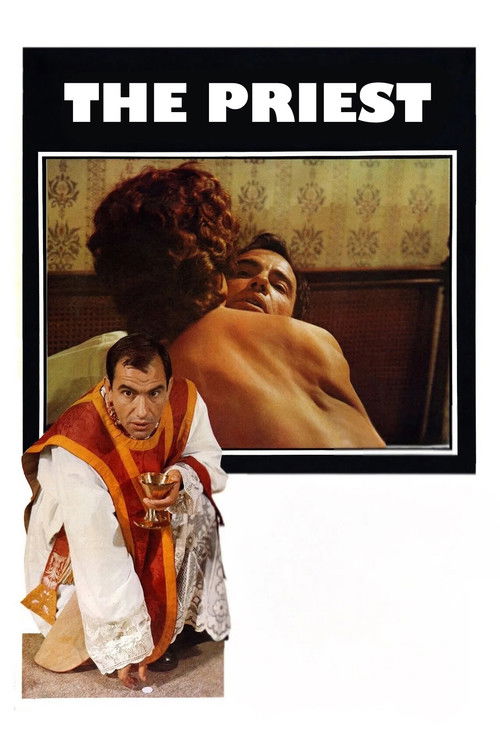
The Priest
1978
No user ratings available yet
Representation score: 5.9 out of 10
Representation Score
Fair
1973
Director
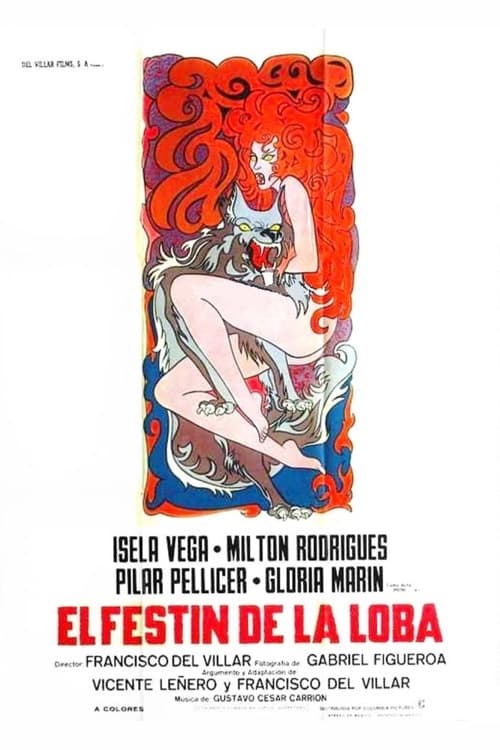
Francisco del Villar
Runtime
102 minutes
Average Rating
No ratings yetNew Showbiz Analysis
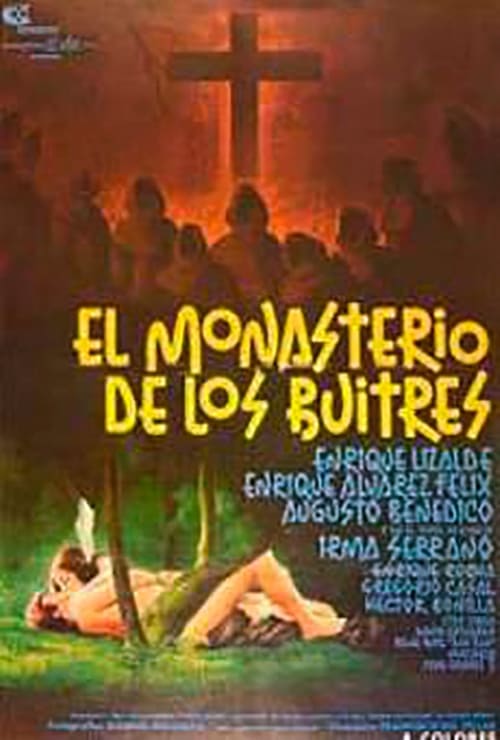
The Monastery of the Vultures serves as a psychological study of institutional power. By placing faith and desire in direct conflict, the film deconstructs the stability of religious authority. However, the film's focus on a male-dominated hierarchy limits its scope of gender representation. Despite this, it provides a strong cultural critique of traditional institutions, moving away from moral certainties to explore the complexities of human nature within a restrictive social framework.
Category Breakdown
The film examines the tension between clerical duties and hidden desires. It uses psychoanalysis to reveal secrets that challenge traditional religious expectations.
Set in a male-dominated hierarchy led by a Father Prior and seminarians, the story highlights conflicts within this patriarchal structure.
As a Mexican production, the film showcases a non-Anglo-Saxon cast. It delves into local institutional power within a religious framework shaped by historical colonization.
The film critiques religious institutions by portraying the monastery as a place of psychological conflict. It questions the idea of spiritual sanctuaries as morally unassailable.
There is no evidence regarding the portrayal of physical or neurodivergent disabilities in this work.
Present on Screen
Limited or Absent
Official Synopsis
In a remote Mexican monastery, a Father Prior subjects young seminarians to psychoanalysis to test their vocation. As sessions peel back secrets and doubts, faith, desire, and authority collide.
1978
1967
1978
1951
1972
2011

1974
1980
No reviews yet. Be the first to share your thoughts on this movie!
Use the rating form above to leave a star rating and optional review.