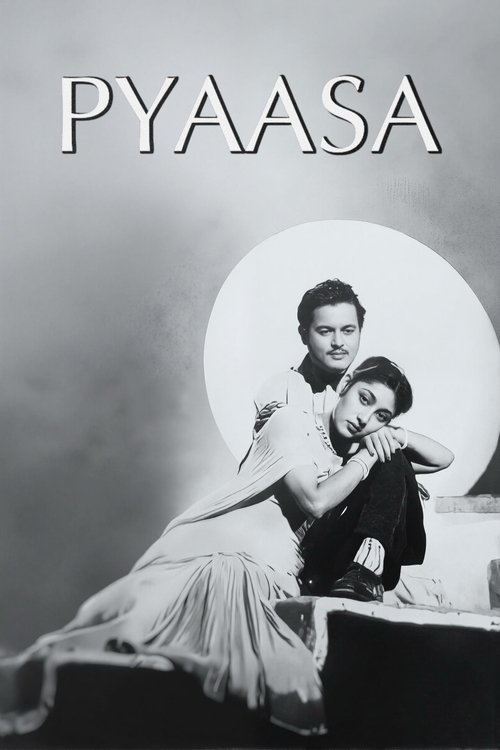
Pyaasa
1957
No user ratings available yet
Representation score: 6.7 out of 10

Representation Score
Fair
1959
UnratedDirector
Guru Dutt
Runtime
142 minutes
Average Rating
No ratings yetNew Showbiz Analysis
Guru Dutt's film emphasizes psychological depth and cinematic expressionism over broad demographic representation. It serves as a critique of the studio system, showing how institutional structures can erode individual dignity and artistic integrity. The film operates within the social and gendered norms of 1950s India. Though it doesn't engage with modern identity politics, it achieves a progressive impact by deconstructing the superficiality of commercial success. Ultimately, the work examines professional and personal displacement. It replaces the glamorous facade of the industry with a nuanced look at disillusionment and the costs of survival.
Category Breakdown
The film focuses on heterosexual romantic dynamics and the relationship between a director and his muse. There are no representations of LGBTQ+ identities or queer subtext.
The female lead plays a crucial emotional role, but the film challenges traditional gender roles by highlighting the male protagonist's emotional vulnerability.
The cast is predominantly of Indian ethnicity, reflecting the local Bombay setting. The film avoids Western whitewashing and instead explores the internal social hierarchies of the Indian film industry.
The narrative critiques the film industry as a dehumanizing capitalist system. It dismantles the myth of stardom to emphasize the fleeting nature of fame.
The story delves into psychological and existential struggles such as loneliness and professional decline. There are no prominent depictions of physical or neurodivergent disabilities.
Present on Screen
Limited or Absent
Official Synopsis
The film tells, in flashback, the story of Suresh Sinha, a famous film director and his relationship with an aspiring actress.
1957

1951

1972

1961

1960

1951

1975

1952
No reviews yet. Be the first to share your thoughts on this movie!
Use the rating form above to leave a star rating and optional review.