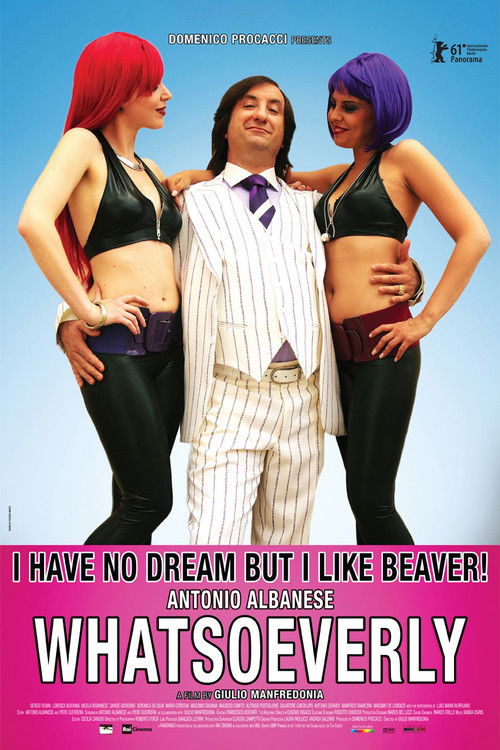
Whatsoeverly
2011
No user ratings available yet
Representation score: 6.2 out of 10

Representation Score
Limited
1963
Director
Sergio Corbucci
Runtime
98 minutes
Average Rating
No ratings yetNew Showbiz Analysis
Sergio Corbucci’s work often deconstructs traditional heroism, yet 'Gli onorevoli' follows the standard social and institutional structures of its era. The film functions as a period-specific political satire that lacks modern multi-layered complexity. The narrative is deeply embedded in the mid-century European context, prioritizing traditional political competition. This results in a lack of representation for underrepresented groups, including LGBTQ+ individuals and diverse racial demographics. Ultimately, the film reflects the homogeneous and straight-centered landscape of 1960s Italy, maintaining the era's conventional hierarchies rather than seeking to subvert them through diverse casting or inclusive storytelling.
Category Breakdown
The film does not include any representations of LGBTQ+ identities or same-sex relationships. The story revolves around political strategies within a traditional framework.
The story centers on political candidates and institutional power, favoring male protagonists and adhering to the conventional gender hierarchies of 1960s Italian cinema.
The production reflects a homogeneous Mediterranean demographic typical of Italian political settings. There is no indication of significant non-white representation or race-bent casting.
The film explores the mechanics of political campaigning and the pursuit of voters. It operates through traditional political competition rather than critiquing Western institutions.
There is no evidence that disability or neurodivergence plays a central role or character arc in the film.
Present on Screen
Limited or Absent
Official Synopsis
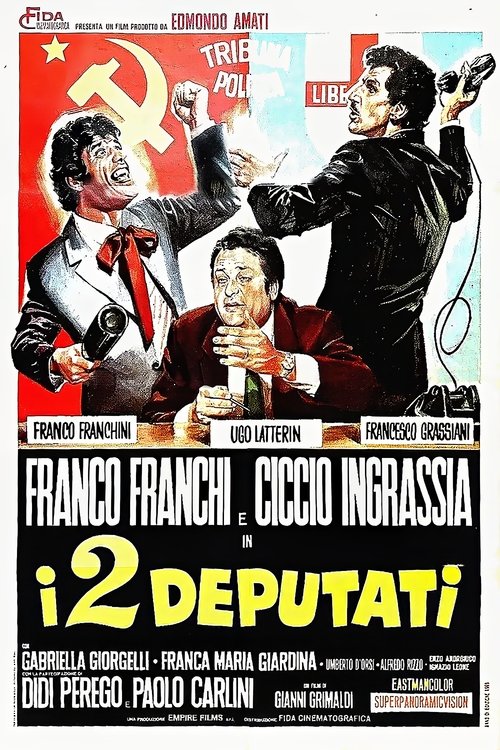
Some political candidates are determined to win the electors' preference during an election campaign in Italy.
2011
1953

1982
1981
1969

1972
1964
1968
No reviews yet. Be the first to share your thoughts on this movie!
Use the rating form above to leave a star rating and optional review.