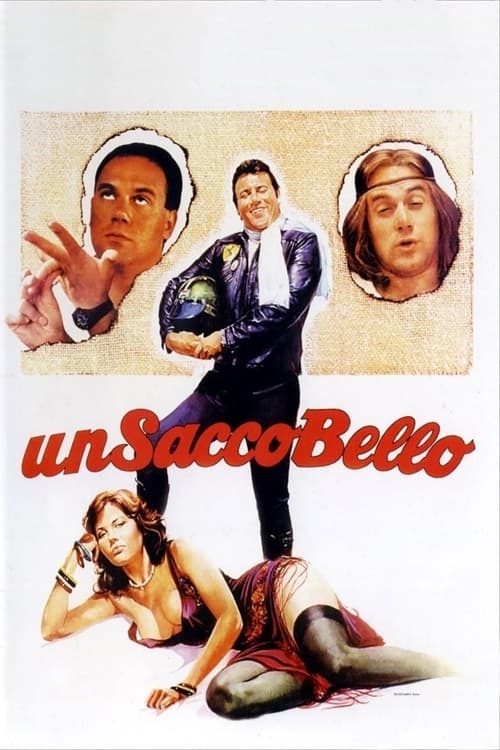
Fun Is Beautiful
1980
No user ratings available yet
Representation score: 4.2 out of 10
Representation Score
Limited
1981
Director
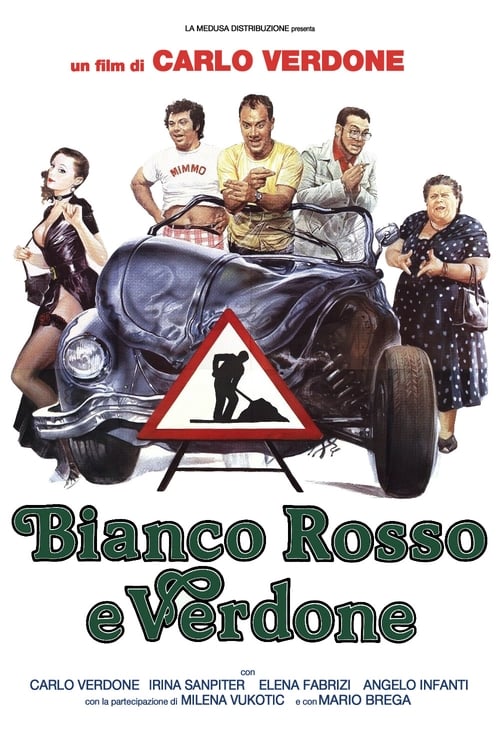
Carlo Verdone
Runtime
110 minutes
Average Rating
No ratings yetNew Showbiz Analysis
The film serves as a character study of Italian archetypes, reflecting the social realities of 1981. It prioritizes situational comedy and traditional clichés over the deconstruction of social hierarchies. While it offers a meaningful look at the immigrant experience and domestic tensions, it largely reinforces conventional gender roles and cultural norms. The narrative architecture is centered on the status quo of the Italian family unit.
Category Breakdown
The film does not include characters identifying as LGBTQ+ or any depictions of non-binary gender identities. The comedy centers on traditional domestic life and relationships.
Gender roles follow traditional structures, with female characters like Magda serving as emotional contrasts to male characters. Women's roles are limited to supporting the male characters' eccentricities, and they lack independent ability to act.
Pasquale, a Southern Italian living in Munich, highlights the immigrant experience. However, the cast remains predominantly homogeneous, without diverse casting to reflect the era’s ethnic diversity.
The narrative focuses on local social absurdities and customs, avoiding broader critiques of religion or capitalism. It emphasizes preserving the status quo through situational humor.
Disability is used minimally in the film, primarily as a source of anxiety for a character. There are no nuanced or intentional portrayals of disabled individuals.
Present on Screen
Limited or Absent
Official Synopsis
Three very different Italians travel to their hometowns on election day: Pasquale, a Southern immigrant living in Munich, finds a country far removed from the one he left behind; Roman civil servant Furio's relentless nitpicking threatens to push his wife Magda over the edge; young Mimmo's journey is repeatedly interrupted by concerns about his grandmother's health.
1980
1995
1992
1991

1965
1981

1999
1978
No reviews yet. Be the first to share your thoughts on this movie!
Use the rating form above to leave a star rating and optional review.