
The Front
1976
No user ratings available yet
Diversity score: 3.2 out of 10

1972
PGDirector
Michael Ritchie
Runtime
110 minutes
Average Rating
No ratings yetSynopsis
Bill McKay is a candidate for the U.S. Senate from California. He has no hope of winning, so he is willing to tweak the establishment.
Overall Score
Limited
Category Breakdown
LGBTQ+ Representation
The film contains no LGBTQ+ characters or explorations of non-heteronormative identities. It adheres strictly to the heteronormative social standards of the early 1970s.
Gender Representation
The professional landscape is heavily male-dominated, reflecting the era's institutional hierarchies. While the female lead provides emotional depth, her role remains largely within domestic and emotional spheres.
Racial & Ethnic Diversity
Casting and character composition are largely homogeneous, focusing on a white, male-dominated political establishment. The film lacks meaningful representation of non-white or non-Anglo-Saxon identities.
Religious & Cultural Diversity
The film offers a cynical critique of Western institutional integrity and the American political machine. It portrays traditional democratic processes as manipulative, hollow, and corrupting forces.
Disability Representation
There are no prominent depictions of physical or neurodivergent disabilities within the narrative.
Strengths
Areas for Improvement
AI Analysis
The Candidate is a film defined by its demographic homogeneity and its sharp, cynical deconstruction of American political institutions. While it fails to provide meaningful representation for LGBTQ+, racial, or disabled communities, it succeeds as a sophisticated cultural critique of power and systemic corruption. The narrative prioritizes a postmodern examination of moral relativism over social diversity. The protagonist's descent from idealism to situational ethics serves as a study of how institutional pressures erode individual integrity. Ultimately, the film's value lies in its intellectual challenge to the status quo rather than its inclusivity. It functions as a biting satire of the political apparatus, even as it remains tethered to the era's limited social perspectives.
1976
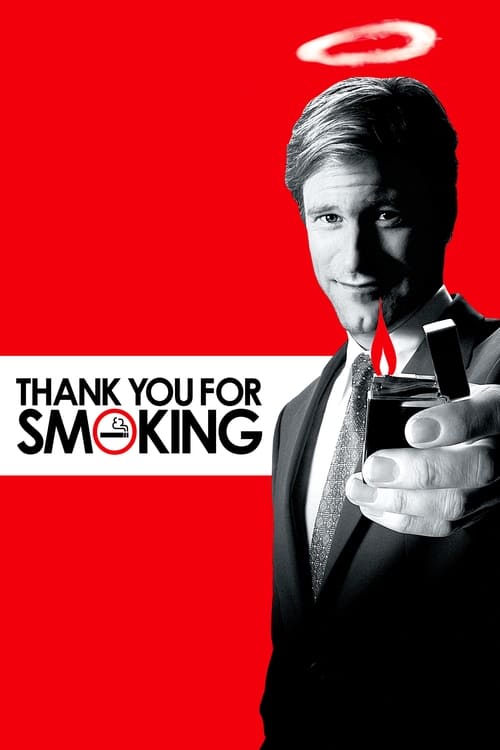
2005
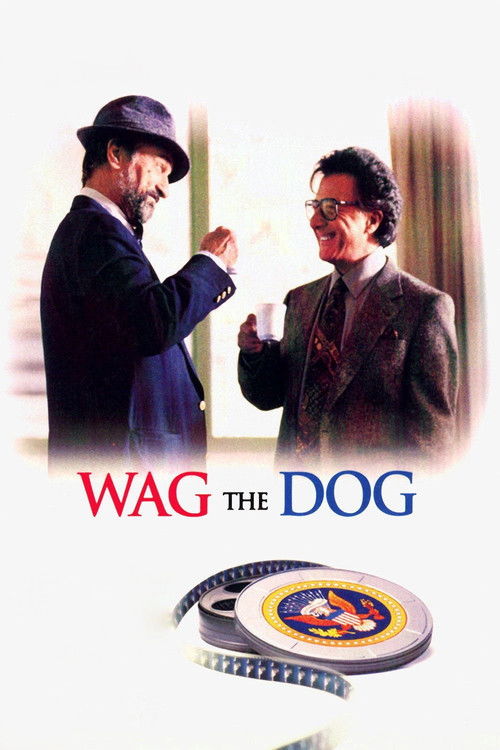
1997
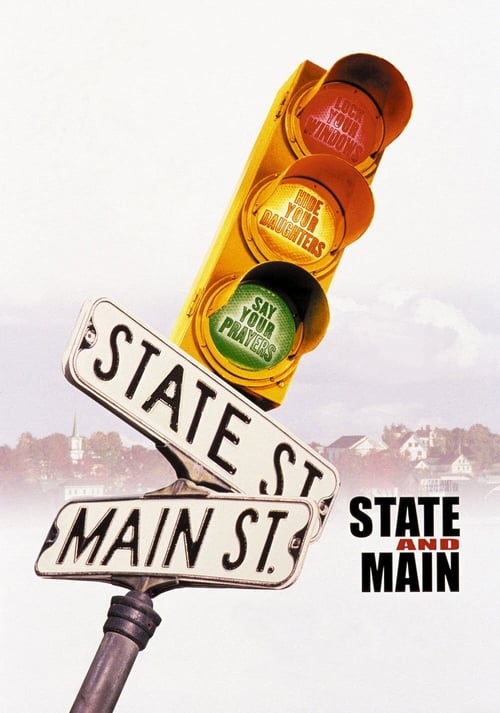
2000
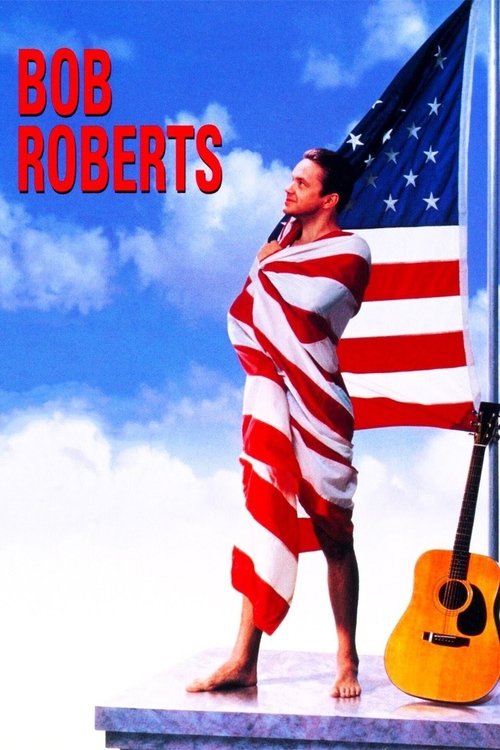
1992
1987

1939

1991
2008

2015
1999
1998
No reviews yet. Be the first to share your thoughts on this movie!
Use the rating form above to leave a star rating and optional review.