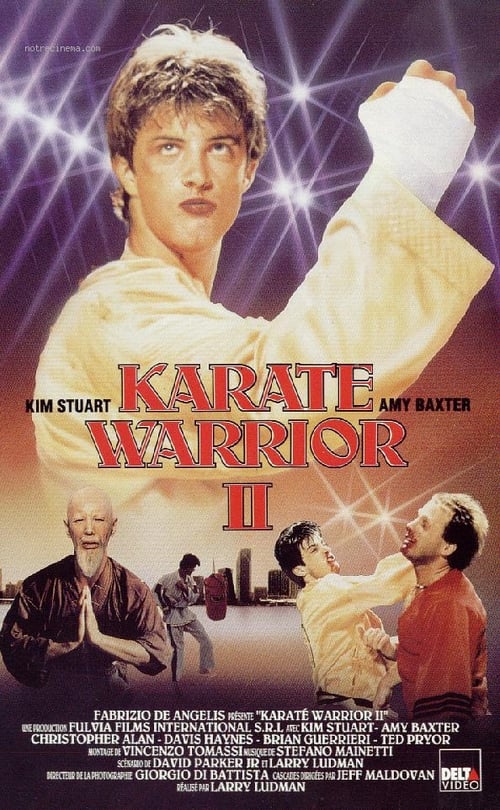
Karate Warrior 2
1988
No user ratings available yet
Representation score: 1.9 out of 10
Representation Score
Fair
1975
Director
Kazuhiko Yamaguchi
Runtime
87 minutes
Average Rating
No ratings yetNew Showbiz Analysis
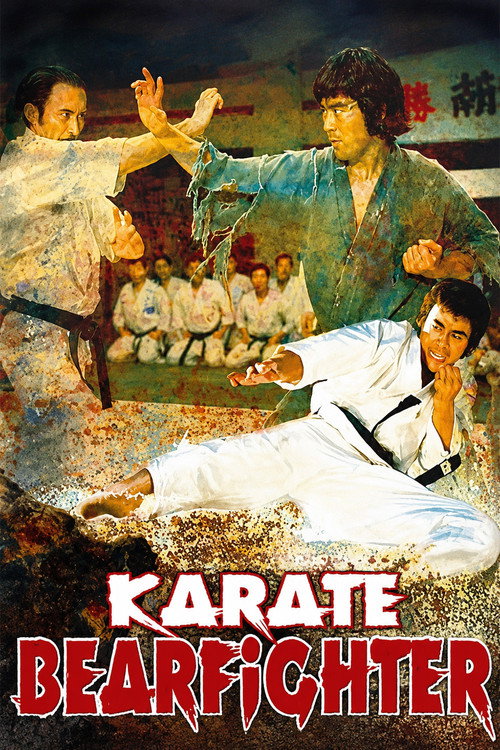
Karate Bear Fighter is a classic 1970s martial arts film that emphasizes traditional genre elements over social critique. The narrative structure revolves around a masculine hero's journey, where character motivations are driven by the loss of female figures or the need to protect family members. While the film offers a culturally specific view of Japanese martial arts philosophy, it lacks depth in representing diverse identities. The social world presented is largely homogeneous, focusing on individual heroism and established gender hierarchies rather than complex identity dynamics. Ultimately, the film functions as a standard action adventure. It employs common clichés of the era, such as using disability or tragedy as plot devices to advance the male protagonist's development.
Category Breakdown
The film centers on a heterosexual relationship between the protagonist and his female partner. It does not include any LGBTQ+ identities or narratives that question traditional romantic relationships.
The story follows a typical male hero's journey. Female characters mainly serve as catalysts for male growth, often through their deaths, while men take on roles as fighters and seekers.
As a Japanese production, the film presents a localized perspective on martial arts. However, it focuses on a homogeneous social structure with limited exploration of diverse racial dynamics.
The narrative highlights traditional martial arts philosophy and honor. It touches on a underrepresented family's struggles but operates within a standard heroic code without challenging institutions.
An injured father serves as a narrative motivator for the boy. However, this character functions more as a plot device rather than having independent ability to act.
Present on Screen
Limited or Absent
Official Synopsis
Masutatsu Oyama is recruited by his former Army friend to work for a crew of gangsters, but when they kill both his girlfriend and his best friend, Oyama flees away to a small town where he both learns lessons in martial arts philosophy from a wandering master and helps a young boy take on a challenge to fight a ferocious captured bear to win money for the boy's injured father.
1988
1966
1973

1978
1978
1976

1981

1972
No reviews yet. Be the first to share your thoughts on this movie!
Use the rating form above to leave a star rating and optional review.