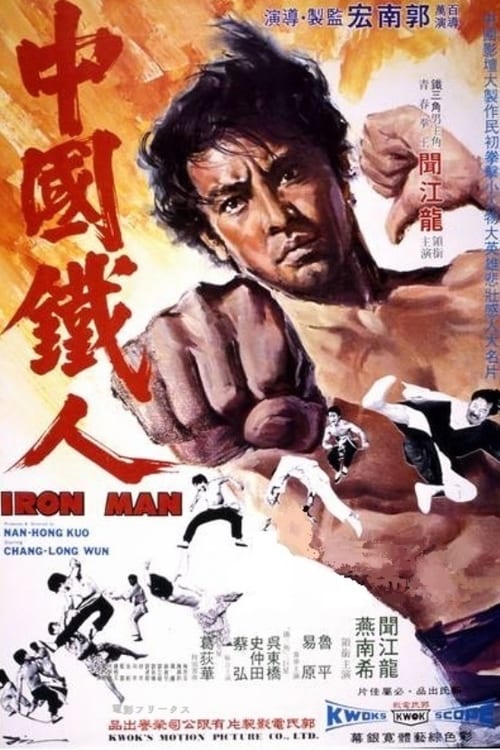
Iron Man
1973
No user ratings available yet
Diversity score: 5.3 out of 10

1976
RDirector
Ng See-Yuen
Runtime
90 minutes
Average Rating
No ratings yetSynopsis
A highly fictionalized biography of the famous Bruce Lee, this movie traces his college life, his marriage to Linda Lee, his relationship with his master, and his untimely death.
Overall Score
Fair
Category Breakdown
LGBTQ+ Representation
The film follows a traditional biographical trajectory centered on Bruce Lee's marriage to Linda Lee. It lacks any evidence of queer narratives or non-cisnormative identities.
Gender Representation
The story follows a patriarchal model where the male protagonist's journey is the primary focus. Female characters, such as Linda Lee, serve largely as supportive romantic anchors.
Racial & Ethnic Diversity
By centering a Chinese icon, the film disrupts the historical dominance of Anglo-Saxon protagonists. It presents a non-Western hero as a figure of global agency and mastery.
Religious & Cultural Diversity
The narrative celebrates Eastern martial arts philosophy and heritage. It emphasizes personal discipline and cultural identity, offering a nuanced alternative to standard Western biographical tropes.
Disability Representation
There is no discernible evidence regarding the portrayal of physical or neurodivergent disabilities within the film's narrative.
Strengths
Areas for Improvement
AI Analysis
The film is a significant cultural milestone that provides a necessary counter-narrative to Western-centric media by centering an East Asian icon. This strong ethnic agency drives its highest scores. However, the film remains anchored in the social norms of 1976. It adheres to traditional heteronormative structures and patriarchal hierarchies, where the female presence is secondary to the male hero's journey. Ultimately, while the film succeeds in promoting non-Western mastery, it does not actively seek to deconstruct systemic social hierarchies or explore intersectional identities.
1973
1967
1973

1984

1970
1978
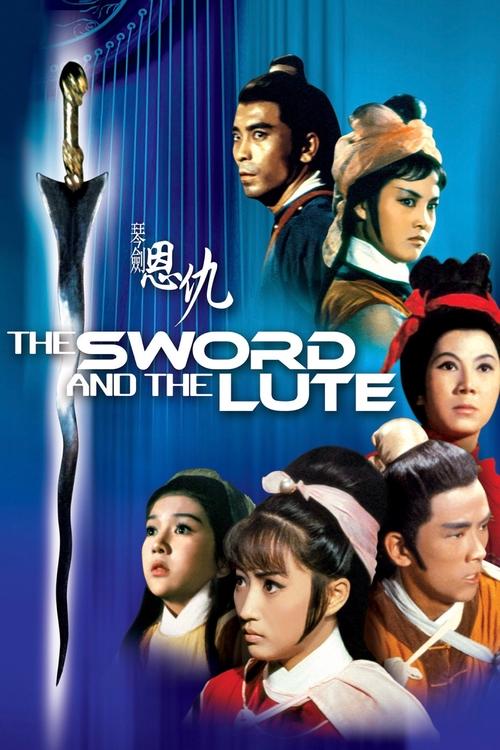
1967

1972
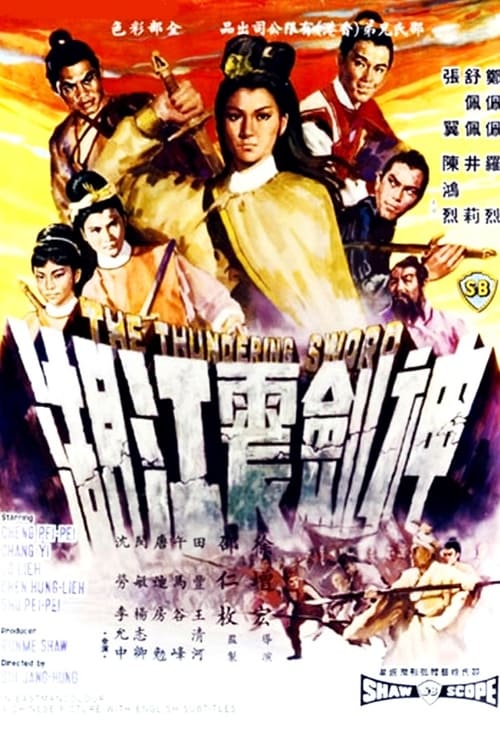
1967

1986
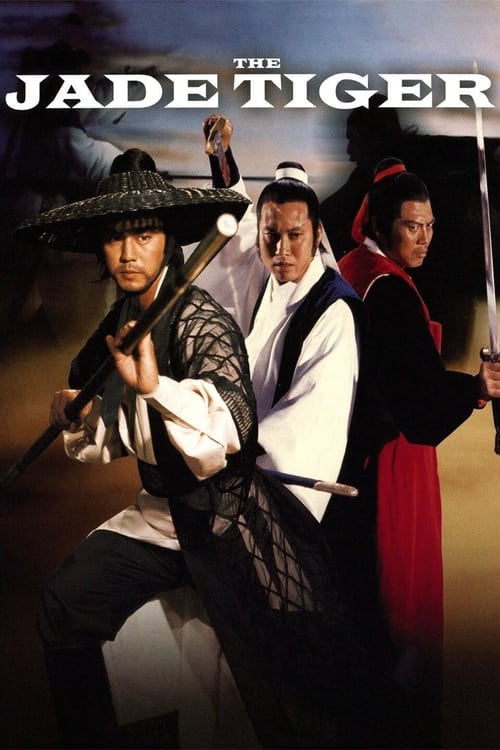
1977

1978
No reviews yet. Be the first to share your thoughts on this movie!
Use the rating form above to leave a star rating and optional review.