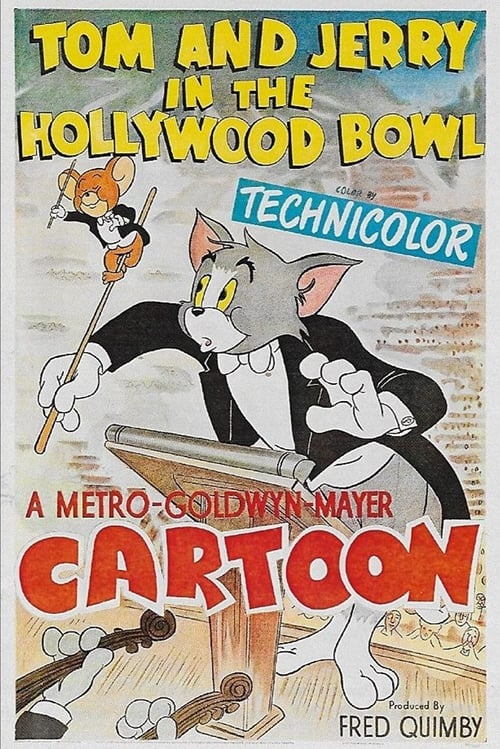
The Hollywood Bowl
1950
No user ratings available yet
Representation score: 1.1 out of 10
Representation Score
Minimal
1953
NRDirector
William Hanna, Joseph Barbera
Runtime
8 minutes
Average Rating
No ratings yetNew Showbiz Analysis
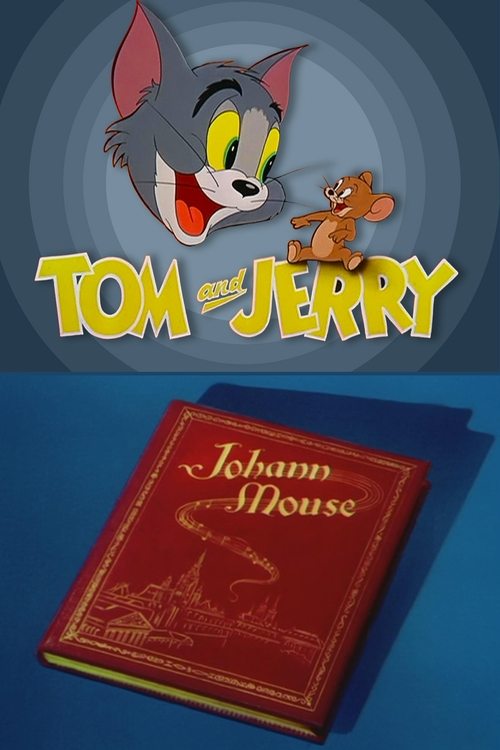
Johann Mouse is a classic mid-century slapstick animation that relies on rhythmic timing and physical comedy. By using anthropomorphic animal characters, the film avoids the complexities of human identity politics. The narrative adheres to traditional comedic clichés, focusing on a localized conflict within a wealthy, Eurocentric setting. It lacks any progressive or multi-layered representation, functioning as a culturally specific Western piece. Since the characters operate outside of human social structures, the film does not engage with social commentary, resulting in a work that is culturally traditional but lacks diverse representation.
Category Breakdown
The film centers on a rivalry between a cat and a mouse, both depicted as anthropomorphic animals. There are no representations of LGBTQ+ identities or same-sex relationships.
The protagonists are non-human animals driven by instinct and slapstick humor. This results in a lack of gendered social dynamics and character development related to gender.
The setting features a classical European aesthetic, specifically a Viennese domestic environment. The cast includes anthropomorphic animals, creating a homogeneous, traditional Western setting.
The narrative highlights classical European musical traditions through the waltzes of Johann Strauss. It uses these Western cultural elements as a backdrop for comedy.
There are no depictions of visible or invisible disabilities. Physical movements are driven by slapstick humor rather than exploring neurodiversity or impairment.
Present on Screen
Limited or Absent
Official Synopsis
At the home of Viennese composer Johann Strauss lived Johann Mouse. Whenever the composer played his waltzes, the mouse would dance to the music, unable to control himself. One day, when Strauss was away, the house cat played his master's music. When word got out about a piano-playing cat and a dancing mouse, they were commanded to perform for the emperor.
1950
1964
1947
1952
1942
1955
1954
1942
No reviews yet. Be the first to share your thoughts on this movie!
Use the rating form above to leave a star rating and optional review.