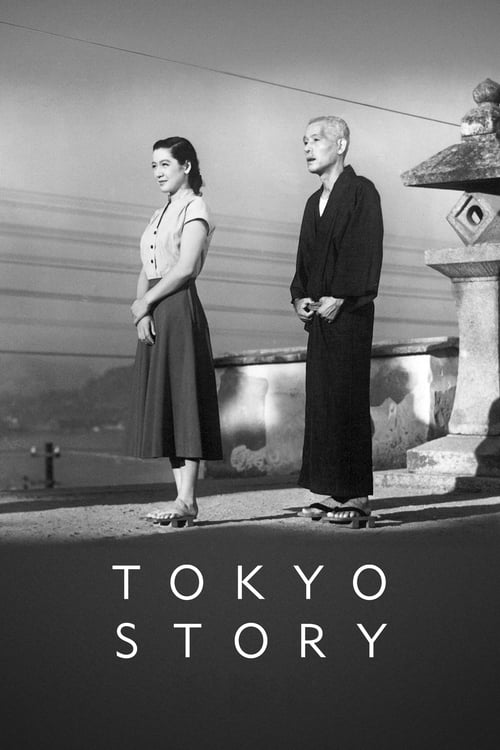
Tokyo Story
1953
No user ratings available yet
Representation score: 3.5 out of 10
Representation Score
Limited
2013
Director
Yoji Yamada
Runtime
146 minutes
Average Rating
No ratings yetNew Showbiz Analysis
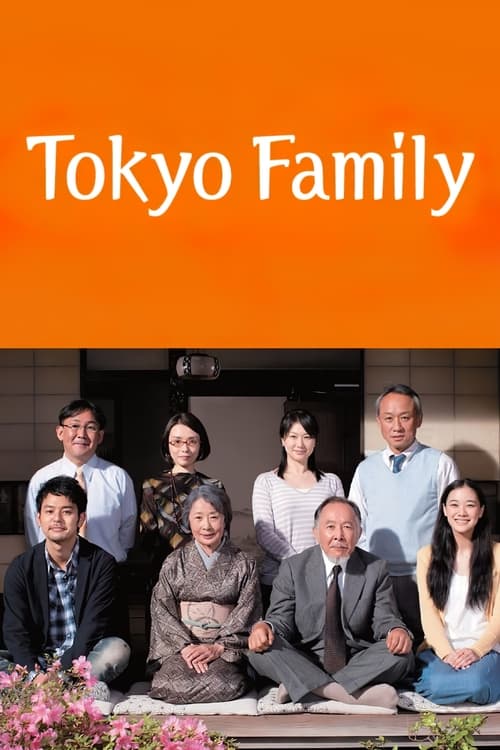
Tokyo Family is a masterful exploration of social realism that emphasizes cultural specificity over broad demographic representation. It uses the domestic sphere to explore the tension between historical traditions and the pressures of modern, individualistic society. Though the film lacks representation of LGBTQ+ individuals and racial diversity, it excels in its nuanced critique of systemic changes. It portrays the dissolution of family structures as a consequence of economic necessity rather than individual wrongdoing. The work stands out for its sophisticated deconstruction of social hierarchies, providing a poignant insight into how urban capitalism affects human connections.
Category Breakdown
The film centers around a traditional family structure and does not include any representations of non-binary gender identities or same-sex relationships.
The mother figure is portrayed in nurturing roles typical of a traditional family. The film avoids the cliché of strong male leadership by showing the adult sons as emotionally immature.
The cast primarily features Japanese actors, reflecting a localized social context. There is no ethnic diversity, focusing instead on the decline of the traditional Japanese multi-generational household.
The narrative dismantles Confucian-influenced family hierarchies. It critiques how modern capitalism and individualistic progress undermine traditional social cohesion and communal integrity.
The film highlights the physical and social challenges associated with aging. It avoids inspirational stories and instead focuses on the realistic difficulties faced by the elderly.
Present on Screen
Limited or Absent
Official Synopsis
An elderly couple journey to Tokyo to visit their grown children, only to find them preoccupied and self-involved.
1953

1962

2005

2004
2014
2025
1988

2016
No reviews yet. Be the first to share your thoughts on this movie!
Use the rating form above to leave a star rating and optional review.