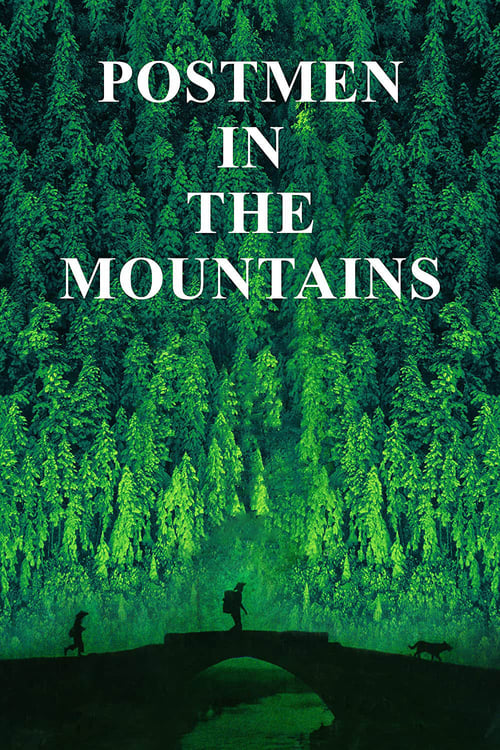
Postmen in the Mountains
1999
No user ratings available yet
Representation score: 3.0 out of 10
Representation Score
Fair
2005
PGDirector
Zhang Yimou
Runtime
109 minutes
Average Rating
No ratings yetNew Showbiz Analysis
Zhang Yimou presents a poignant critique of modern societal shifts by focusing on those underrepresented by rapid urbanization. The film excels at challenging conventional narratives of national progress through its depiction of socioeconomic displacement. However, the work remains conservative in its social depictions. It upholds traditional gender hierarchies and lacks any exploration of LGBTQ+ identities or deep disability representation. Ultimately, the film's strength lies in its sophisticated cultural analysis rather than its breadth of identity representation.
Category Breakdown
The film does not include LGBTQ+ characters or explore non-straight relationships. The story focuses on a traditional journey of paternal connection and redemption.
The central storyline is driven by male companionship and masculine themes. Women, such as the daughter-in-law, play supporting roles that help the male protagonist develop.
The film offers a nuanced look at China’s 'floating population,' focusing on migrant workers and street performers to challenge homogenized views of modern prosperity.
The narrative highlights the human cost of rapid modernization and capitalist growth. It portrays the survival strategies of street children as responses to systemic economic pressures.
The film does not center on physical or neurodivergent disabilities. A terminal illness serves as a plot catalyst but is not deeply explored.
Present on Screen
Limited or Absent
Official Synopsis
Takada, a Japanese fisherman has been estranged from his son for many years, but when the son is diagnosed with terminal cancer his daughter-in-law, Rie, summons him to the hospital. Through a series of obstacles and relationships, he is brought unexpectedly closer to both an understanding of himself and of his son.
1999
2002
2007

1999

2018

1989
2007

2023
No reviews yet. Be the first to share your thoughts on this movie!
Use the rating form above to leave a star rating and optional review.