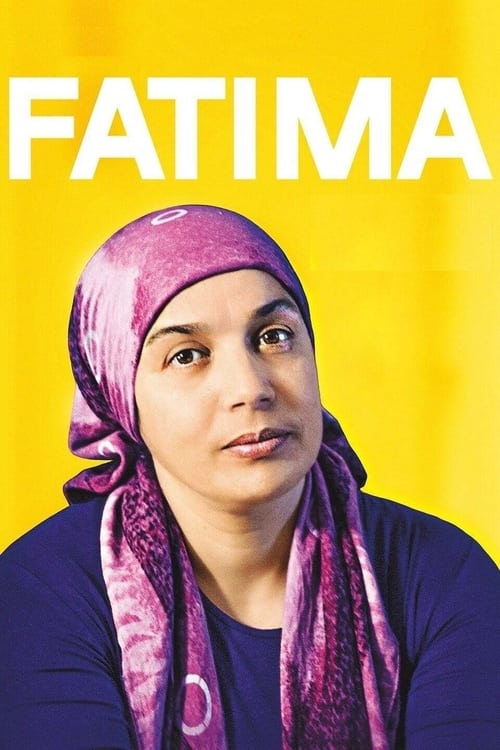
Fatima
2015
No user ratings available yet
Diversity score: 7.3 out of 10

2017
Director
Shunji Iwai
Runtime
66 minutes
Average Rating
No ratings yetSynopsis
Housewife Eun-ha is busy every day: In addition to taking care of her husband who doesn’t help out at all and her willful daughter and son, she has to care for her nagging mother-in-law, who is nearly bedridden.
Overall Score
Fair
Category Breakdown
LGBTQ+ Representation
The film lacks explicit LGBTQ+ characters or non-cisnormative identities. There is no evidence of queer themes or critiques of heteronormativity within the narrative.
Gender Representation
The story centers the emotional agency and internal life of a female protagonist. While it prioritizes her subjective experience over masculine leadership, it lacks a broader subversion of gendered power dynamics.
Racial & Ethnic Diversity
The film offers significant depth regarding the Zainichi Korean-Japanese identity. It explores the complexities of being an outsider within a Japanese rural setting and the friction of post-colonial structures.
Religious & Cultural Diversity
The narrative critiques social cohesion and the pressures of community conformity. It favors complex, subjective morality over singular, celebratory nationalistic or religious narratives.
Disability Representation
There are no prominent depictions of physical or neurodivergent disabilities that serve as central character traits or drive the plot.
Strengths
Areas for Improvement
AI Analysis
Shunji Iwai’s work provides a sophisticated study of identity by centering an ethnic outsider. The film's primary strength is its nuanced exploration of the Zainichi experience and the friction of social marginalization. However, the film's scope is limited by its lack of engagement with LGBTQ+ themes or disability representation. While it successfully deconstructs community stability through the protagonist's lens, it remains focused on a specific intersectional struggle. Ultimately, the film succeeds as a character study of belonging and isolation, even if it does not address a wide breadth of diverse identities.
2015
2011
1997
2005

2017

2023

2022
2019

2008

2017

2004
2010
No reviews yet. Be the first to share your thoughts on this movie!
Use the rating form above to leave a star rating and optional review.