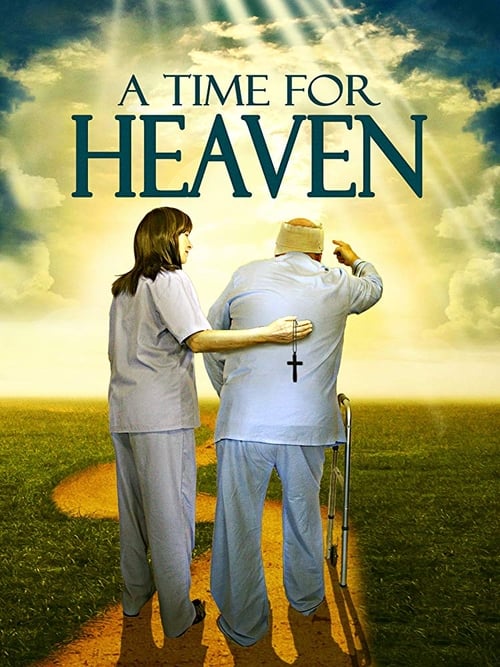
A Time For Heaven
2017
No user ratings available yet
Representation score: 3.5 out of 10

Representation Score
Fair
2015
Director
Pascale Pouzadoux
Runtime
105 minutes
Average Rating
No ratings yetNew Showbiz Analysis
The film stands out for its psychological depth and its subversion of traditional power dynamics. By focusing on a matriarch who dictates her own fate, it challenges the cliché of the elderly as passive subjects. This offers a sophisticated look at personal ability to act. However, the film lacks demographic breadth. The narrative is confined to a homogeneous Western family, offering limited representation regarding race or sexual orientation. This narrow focus restricts its broader social impact. Ultimately, the work is a study of autonomy. It prioritizes a deep, progressive exploration of personal truth and the dismantling of generational hierarchies over wide-ranging demographic diversity.
Category Breakdown
There are no LGBTQ+ characters or narratives addressing non-straight identities in the film. It focuses solely on a nuclear family unit.
Madeleine challenges traditional hierarchies by taking a leading role in driving the story. She maintains superior intellectual ability to act compared to male characters, shifting power dynamics in favor of women.
The story centers on a homogeneous Western family structure. It adheres to traditional demographic norms for its specific setting and genre.
The film critiques Western institutions by emphasizing secular autonomy over religious mandates. It portrays Madeleine's choice as a pursuit of personal dignity.
The narrative avoids pitying the aging process. Instead, it highlights Madeleine’s cognitive abilities and her capacity to navigate physical frailty through empowerment.
Present on Screen
Limited or Absent
Official Synopsis
At 92 years old, Madeleine decides to set the date and conditions of her death. By telling her daughter Diane and her son Pierre, she hopes to prepare them as gently as possible but it comes as a shock, and their minds are set ablaze. Until the end, Madeleine will keep her dignity, wits, and passion for life as a course of conduct, so she can give them all, and in particular Diane, a touching “final lesson”.
2017

2021
2017
2020

2015

2020
2011
2020
No reviews yet. Be the first to share your thoughts on this movie!
Use the rating form above to leave a star rating and optional review.