
Mary Kom
2014
No user ratings available yet
Representation score: 4.1 out of 10
Representation Score
Fair
2013
Not RatedDirector
Rakeysh Omprakash Mehra
Runtime
186 minutes
Average Rating
No ratings yetNew Showbiz Analysis
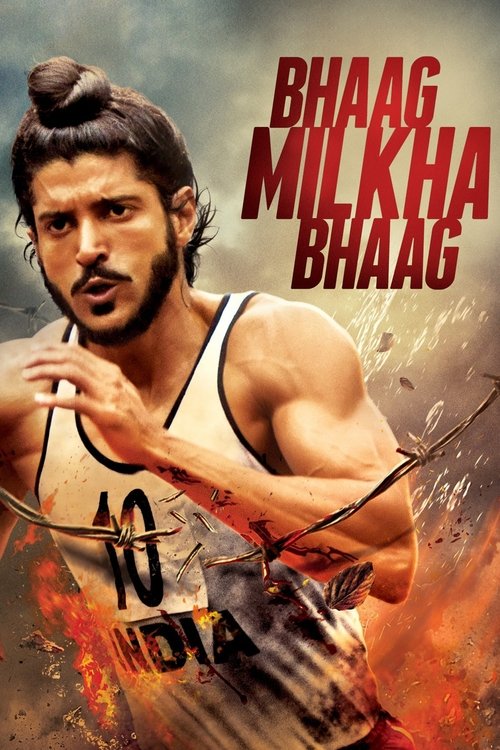
Bhaag Milkha Bhaag is a compelling examination of identity and displacement, particularly in its detailed portrayal of the Sikh experience during the 1947 Partition. By focusing on the Sikh perspective, the film challenges Western-centric biographical standards and offers a nuanced view of post-colonial struggles. However, the film's reliance on traditional hero narratives reinforces conventional hierarchies, leaving female characters in secondary, supportive roles and excluding LGBTQ+ identities. Ultimately, while the film provides a rich, culturally specific look at historical trauma and psychological scars, its adherence to patriarchal archetypes and straight-centered structures limits its overall diversity.
Category Breakdown
The film adheres to a structure that assumes everyone is straight or cisgender. There are no representations of LGBTQ+ identities or non-assuming gender matches what was assigned at birth characters.
The story focuses mainly on the male experience of trauma and triumph. Female characters are primarily portrayed in supportive roles, serving as emotional anchors within domestic settings.
The film stands out by focusing on a Sikh protagonist and delving into the intricacies of the Sikh diaspora. It highlights the ethnic displacement experienced during the Partition of India.
The narrative explores post-colonial themes and the fragmentation of identity. It emphasizes the subjective truth of personal experiences rather than sanitized historical accounts.
The film examines the invisible disability of PTSD stemming from the Partition massacre. While it uses the 'overcoming' cliché, it portrays trauma as a persistent force.
Present on Screen
Limited or Absent
Official Synopsis
The true story of the "Flying Sikh" world champion runner and Olympian Milkha Singh who overcame the massacre of his family, civil war during the India-Pakistan partition, and homelessness to become one of India's most iconic athletes.
2014
2010
2016

2013
2018

2023
1983
2013
No reviews yet. Be the first to share your thoughts on this movie!
Use the rating form above to leave a star rating and optional review.